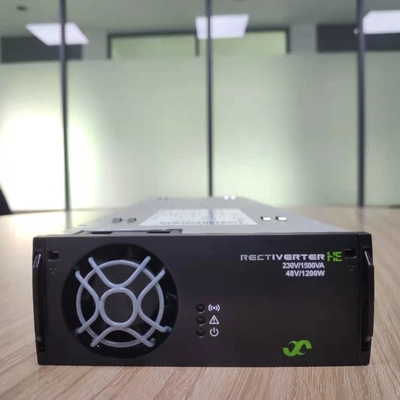
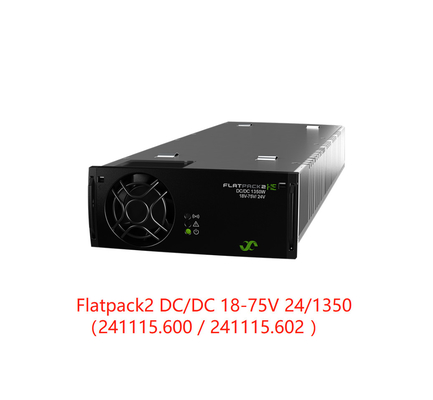
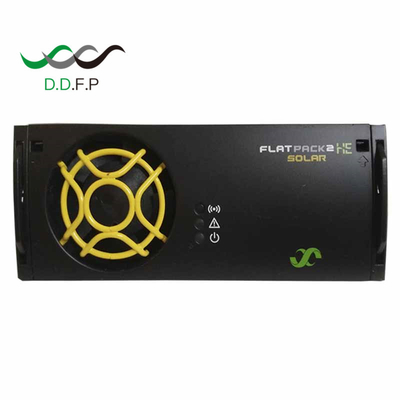
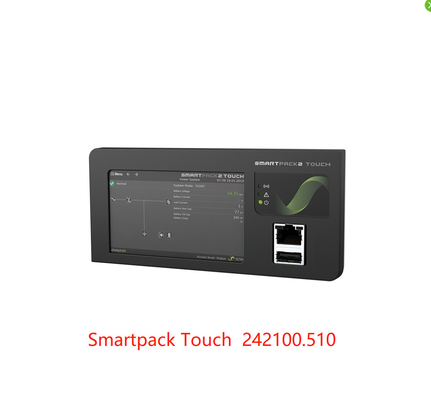
In the global telecommunications landscape, standardization is the bridge between technological innovation and operational reliability. As 5G and high-speed data networks expand across borders, the demand for 3-phase telecom power systems (380V/415Vac to -48Vdc) has moved beyond simple power conversion. Today, adherence to international standards, specifically those set by the International Electrotechnical Commission (IEC), is the non-negotiable benchmark for system safety, grid compatibility, and long-term hardware survival.
The Shift to 3-Phase Input: Why 380V/415V is the Global Standard
As power requirements for modern base stations exceed 10kW, traditional single-phase inputs often lead to phase imbalance and excessive current on the neutral wire. The transition to a balanced 3-phase 380V/415V AC input allows for more efficient power distribution and significantly lower copper costs in cabling. However, this transition requires strict technical compliance to ensure that the power conversion process does not negatively impact the local electrical grid or sensitive downstream loads.
Critical Compliance: IEC 61000-3-2 and Harmonic Control
One of the most vital standards for any telecom power operator is IEC 61000-3-2, which limits the harmonic current emissions.
Understanding Total Harmonic Distortion (THD)
Switch-mode power supplies (SMPS) can naturally introduce "noise" or harmonics back into the grid. High THD can cause overheating in transformers and interference with neighboring electronic equipment. Standard-compliant 3-phase systems utilize Active Power Factor Correction (APFC) to keep THD below 5%. This ensures that the power system behaves as a "linear load," maintaining grid health and reducing the risk of regulatory fines from utility providers.
Power Factor (PF) Optimization
Under IEC standards, high-performance rectifiers must achieve a Power Factor ≥ 0.99. A high PF ensures that the "apparent power" drawn from the grid is almost equal to the "real power" used by the equipment. For large-scale telecom rooms, this efficiency translates directly into lower utility bills and the ability to use smaller, more cost-effective circuit breakers and cabling.
Safety and Environmental Resilience: IEC 62368-1 and Beyond
Standardization also dictates how a system handles external threats. For telecom equipment deployed in diverse climates—from the humid tropics to arid deserts—two technical areas are paramount:
1. Surge Protection (IEC 61643-11)
Telecom towers are prime targets for lightning. A system that follows IEC standards must incorporate a robust Surge Protection Device (SPD). Standard configurations include 20kA to 40kA (8/20μs) protection levels. This ensures that high-voltage transients are safely diverted to the ground before they can reach the sensitive -48Vdc semiconductor components.
2. Thermal Management and Material Safety
Following IEC 62368-1 (the successor to IEC 60950-1), modern 3-phase systems are designed with fire-resistant materials and strict "touch temperature" limits. Furthermore, to ensure stability in extreme regions like the Middle East or Africa, these systems are tested to maintain full output without "derating" at temperatures up to +55°C, with an operational ceiling of +75°C.
Selection Guide: Checklist for Standard-Compliant Systems
When evaluating a 380V/415V to -48Vdc system, technical buyers should verify the following "parametric truths":
· Input Voltage Range: Does it support a wide window (e.g., 85Vac to 300Vac L-N) to handle grid instability?
· Efficiency Standards: Does the system meet 80 PLUS Platinum equivalent levels (≥96-97% efficiency)?
· Modularity: Does it allow for N+1 hot-swappable redundancy to meet the high-availability requirements of critical infrastructure?
· Isolation Resistance: Does the system provide adequate galvanic isolation between the high-voltage AC input and the low-voltage DC output to ensure operator safety?
Summary: Future-Proofing via Standardization
For global telecom operators, following IEC standards is not just about checking a box—it is about ensuring that a 3-phase telecom power system purchased today will be compatible with the grids and safety regulations of tomorrow. By focusing on THD, Power Factor, and Surge Resilience, companies can build a stable foundation for the next generation of connectivity.


 Your message must be between 20-3,000 characters!