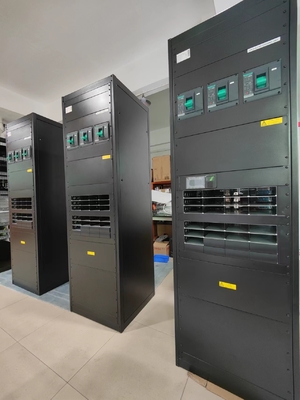
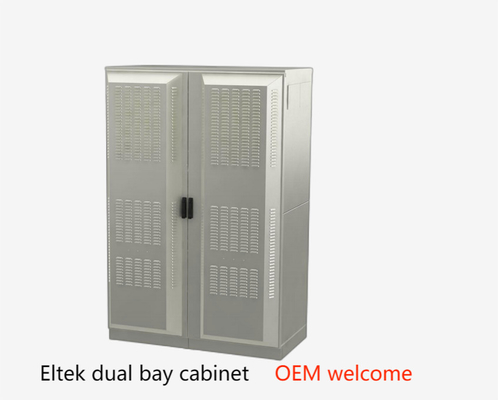
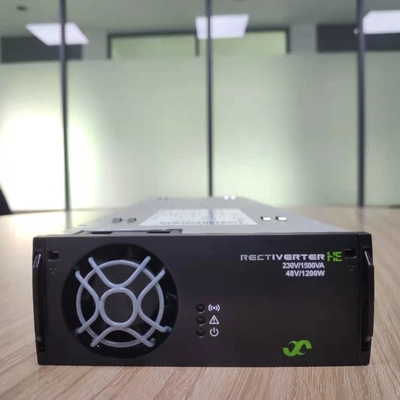
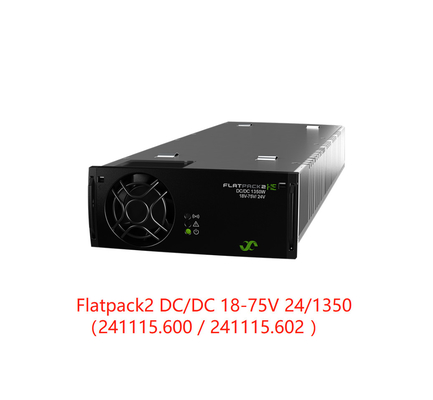
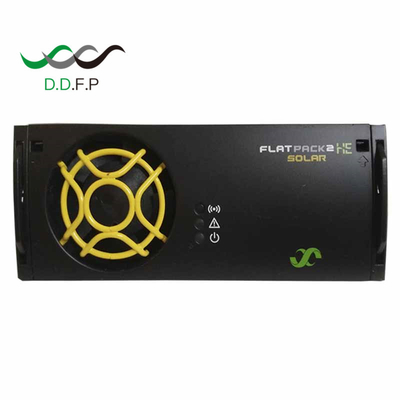
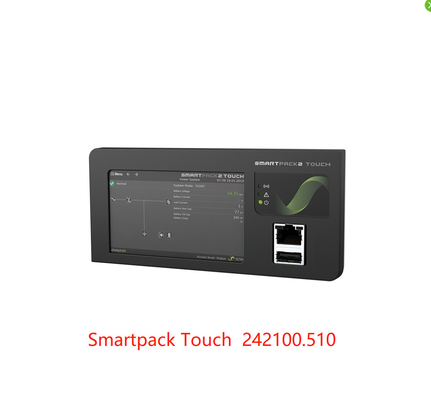
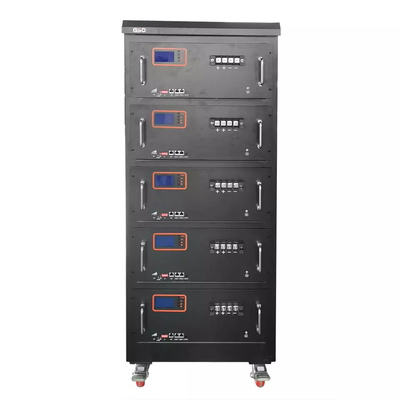
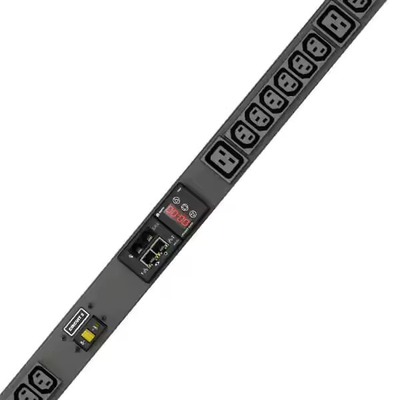
As digitalization accelerates across Southeast Asia, 4G/5G networks are rapidly expanding from urban centers to remote islands and rural areas. However, many existing off-grid sites face dual technical bottlenecks during expansion: first, existing cabinet space is near its limit, unable to accommodate bulky power equipment; second, legacy battery banks (Lead-acid or early Lithium) show significant capacity decay due to prolonged exposure to humid and hot environments. The Flatpack2 modular system provides an efficient expansion path by enhancing power density and implementing intelligent battery balancing.
The Space Bottleneck: Doubling Capacity in Existing Cabinets
Many sites in Southeast Asia utilize compact outdoor cabinets. When adding 5G Remote Radio Units (RRUs), the demand for DC power surges.
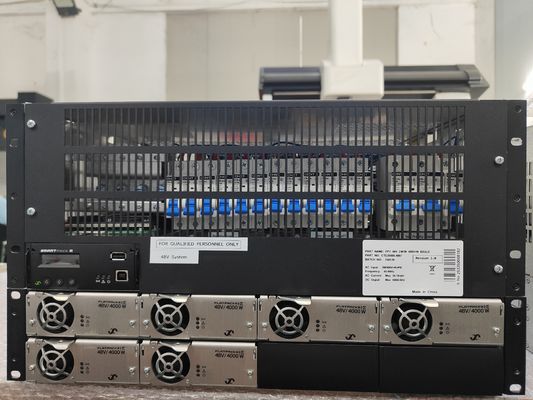
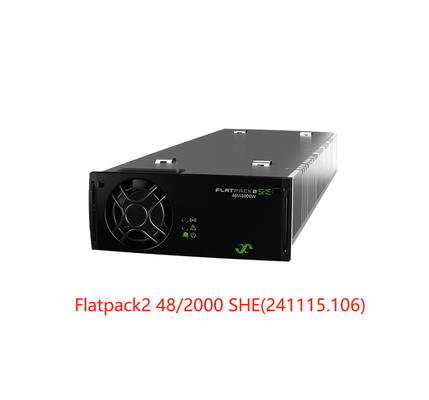
· Extreme Power Density: Flatpack2 modules utilize a standardized 1U design. By replacing legacy, low-efficiency rectifiers, operators can effectively double their power capacity without the need for a total cabinet overhaul.
· Standardized Integrated Layout: The solution supports seamless scaling from 2kW to 36kW. This "pay-as-you-grow" model avoids initial over-investment while solving cabling challenges within cramped quarters.
Rectifying Battery Degradation: Hybrid Management and Protection
High ambient temperatures in Southeast Asia lead to increased internal resistance and charging inconsistencies. When expanding, paralleling new batteries with old ones often shortens the lifespan of the new units. The Flatpack2 system addresses this through parametric controls:
1. High-Precision Charging (±0.5% Accuracy): The Smartpack2 controller uses ambient temperature sensors to adjust float voltages with millivolt precision. This suppresses dry-out and hydrogen evolution in older batteries, preventing them from becoming a "weak link" in the expanded system.
2. Dynamic Current Sharing: The system ensures minimal output variation between rectifier modules. Coupled with battery monitoring, it identifies underperforming cells in real-time to prevent deep discharge damage.
Key Technical Parameters: Data-Driven Stability
Given the lightning-prone and high-humidity conditions of Southeast Asia, the following specifications are critical for selection:
· Isolation Strength (2.1 kVDC Galvanic Isolation): Effectively blocks reverse currents caused by grid surges or lightning, protecting expensive 5G baseband processing units.
· Conformal Coating: All Flatpack2 internal PCBs are treated with conformal coating, maintaining an MTBF (Mean Time Between Failures) of 350,000 hours even in environments with 95% relative humidity.
· Ultra-Wide Input Window (85V - 300V AC): Even in remote villages where voltage fluctuates wildly, the system maintains a stable 48VDC output, minimizing frequent battery cycling and preserving cycle life.
Conclusion: Standardization as the Key to Lowering Expansion TCO
For Southeast Asian telecom operators, off-grid site expansion should be a standardized upgrade rather than mere hardware stacking. By combining extreme space efficiency with battery-friendly charging algorithms, the Flatpack2 hybrid solution resolves immediate space constraints while addressing the long-term issue of battery aging, significantly lowering the Total Cost of Ownership (TCO).


 Your message must be between 20-3,000 characters!