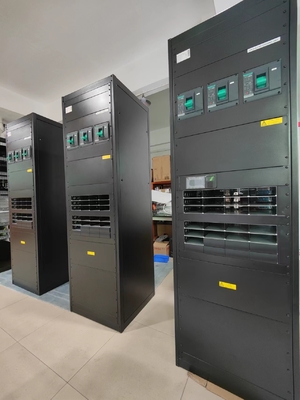
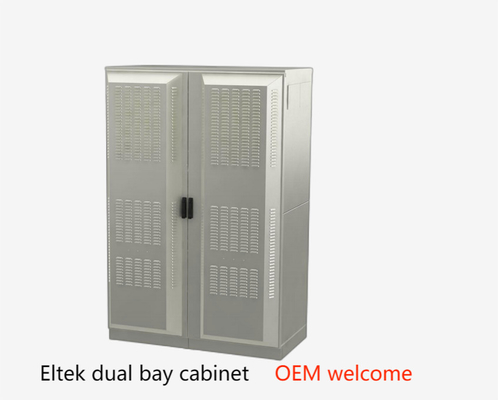
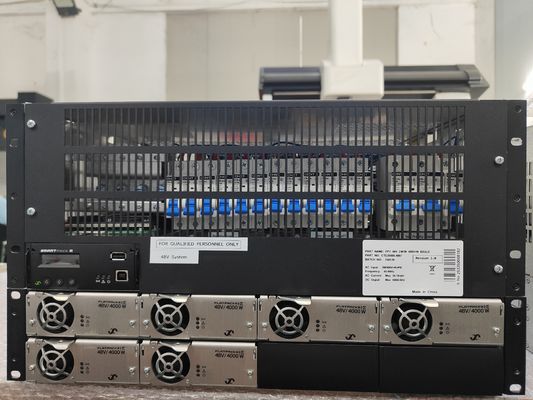
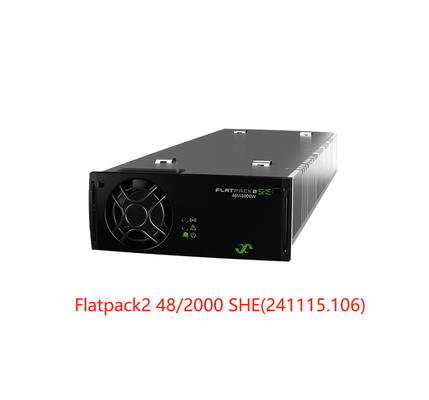
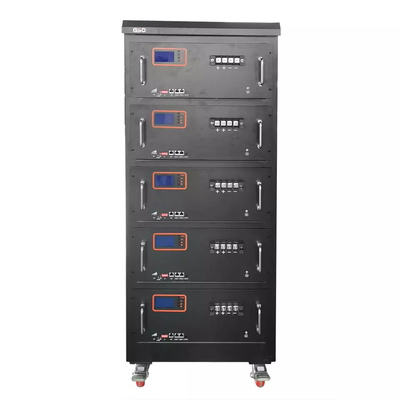
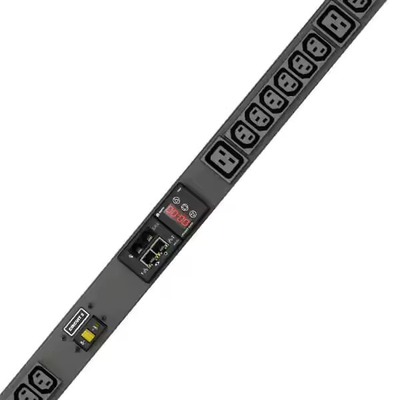
In West Africa, the telecommunications sector is undergoing a critical shift. For years, base stations in regions such as Nigeria, Ghana, and Mali have relied heavily on Diesel Generators (DGs) as their primary power source due to an unstable or non-existent national grid. However, skyrocketing fuel prices and the logistical nightmare of "last-mile" delivery have turned diesel dependency into a major financial burden. The adoption of a sophisticated Telecom Hybrid System is now the standard strategy for operators looking to stabilize OPEX through intelligent fuel displacement.
The Fuel Trap: Why Traditional Power Is Failing West African Operators
Traditional "DG-Only" or "DG-Battery" setups in West Africa often operate inefficiently, leading to excessive fuel consumption. Key technical inefficiencies include:
· Low-Load Inefficiency: Diesel generators are frequently run at 20-30% load during off-peak hours, which increases fuel consumption per kilowatt-hour and causes "wet stacking" (unburnt fuel accumulation).
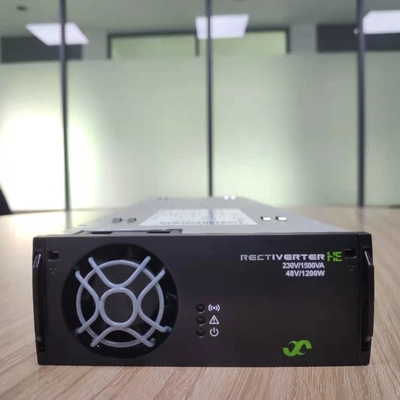
· Thermal Waste: Older rectifiers with low efficiency lose a significant percentage of energy as heat, requiring even more diesel power to drive cooling fans.
· Lack of Intelligent Orchestration: Without a central hybrid controller, there is no synergy between solar inputs, battery storage, and the generator.
Technical Levers: How Hybrid Systems Reduce Diesel Run-Time
A high-capacity 16kW–24kW Telecom Hybrid System addresses high consumption by shifting the site’s energy profile from "Diesel-Centric" to "Battery/Renewable-Centric."
1. High-Efficiency Solar Harvesting (MPPT Integration)
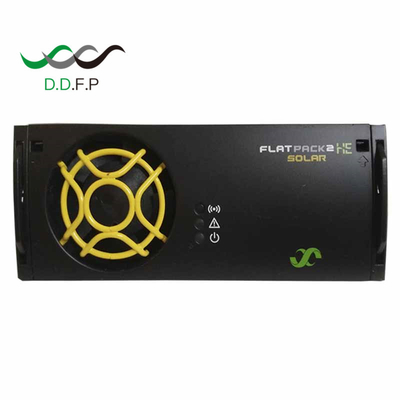
The most direct way to reduce diesel dependency is to utilize the region’s abundant solar radiation. Advanced hybrid systems feature integrated Maximum Power Point Tracking (MPPT) modules with conversion efficiencies of 98% or higher. By prioritizing solar energy during the day to power the load and charge the batteries, the system allows the diesel generator to remain shut down for up to 10–12 hours daily, directly slashing fuel bills.
2. Intelligent Diesel-to-Battery (D2B) Logic
Instead of running a generator 24/7, the hybrid system uses a "Fast Charge, Slow Discharge" logic. The generator is only activated when the battery state-of-charge (SOC) hits a critical threshold. Once active, the system forces the generator to run at its Optimal Efficiency Point (usually 70-80% load). This ensures that every drop of fuel is converted into the maximum possible amount of electrical energy, significantly improving the site’s Fuel Saving Ratio (FSR).
3. Advanced Energy Management (Smart EMS)
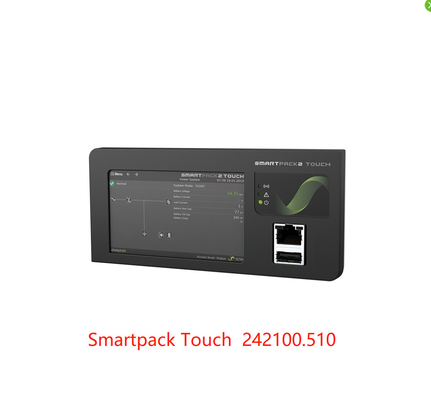
The system’s Energy Management System (EMS) acts as the brain, constantly monitoring the grid, solar, and battery status. By utilizing predictive algorithms, the system can decide when to "peak-shave" (use battery power for sudden traffic spikes) instead of ramping up the generator, further decoupling fuel consumption from network traffic growth.
Selection Guide: Key Parameters for Maximum Fuel Displacement
For procurement teams in West Africa, selecting a system that guarantees diesel reduction requires looking beyond the price tag to specific technical specs:
|
Parameter
|
Recommended Specification
|
Impact on Diesel Savings
|
|
Solar Input Capacity
|
Up to 15kW - 20kW (Scalable)
|
Maximizes fuel displacement during daylight.
|
|
Rectifier Efficiency
|
≥ 96%
|
Reduces internal heat and "wasted" diesel energy.
|
|
Battery Compatibility
|
Smart Lithium (LiFePO4) Support
|
Enables deeper discharges and faster recharge cycles.
|
|
Protection Rating
|
IP55 (Dust/Sand Proof)
|
Ensures cooling efficiency remains high in dusty environments.
|
Industry Insight: The ROI of "Green" Hybridization
The transition to hybrid technology isn't just about environmental responsibility; it’s about Total Cost of Ownership (TCO). In typical West African deployments, a well-configured Telecom Hybrid System can achieve a 40% to 70% reduction in diesel runtime. This leads to a payback period of often less than 24 months, considering the savings in fuel, transportation, and generator maintenance intervals (which extend from 250 hours to over 1,000 hours).
Conclusion
For West African telecom operators, high fuel consumption is no longer an unavoidable cost of doing business. By deploying integrated Telecom Hybrid Systems that leverage high-efficiency solar MPPTs and intelligent battery management, sites can achieve high-performance connectivity with a fraction of the diesel dependency. This technical evolution is the cornerstone of building a resilient and profitable network in one of the world's most challenging energy markets.


 Your message must be between 20-3,000 characters!