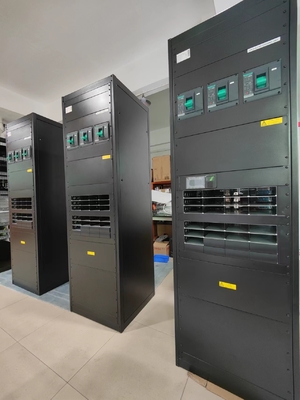
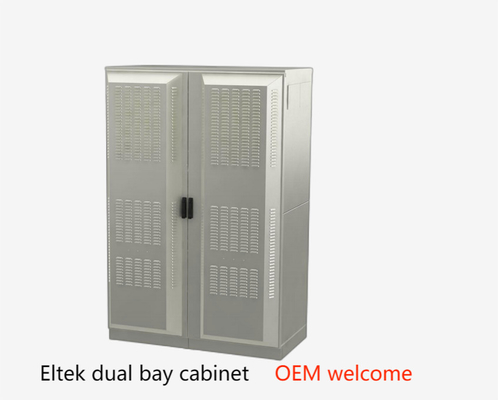
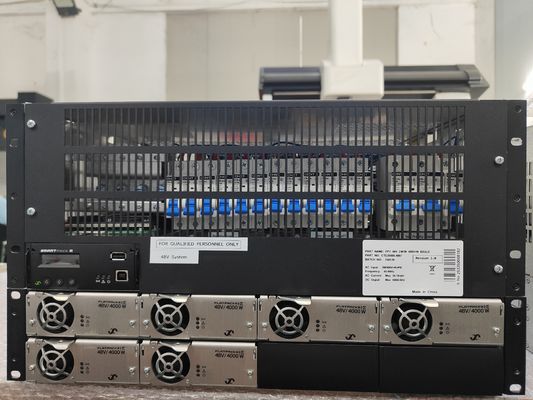
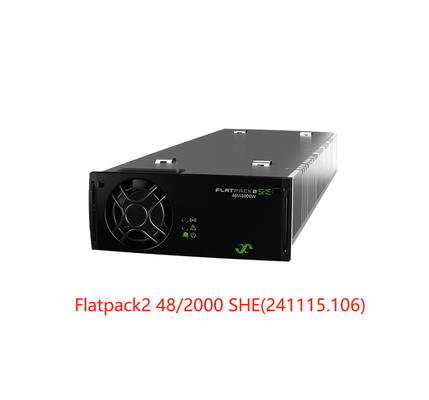
The reliability of railway signaling and communication systems is the backbone of modern transportation safety. As rail networks expand into remote areas across South America, Africa, and the Middle East, the challenge for engineers is no longer just "providing power"—it is ensuring uninterrupted operation while controlling the skyrocketing Operational Excellence (OPEX). Transitioning to a Modular 3-Phase Telecom Power System (380V/415V to -48Vdc) has become the gold standard for reducing maintenance costs and preventing system downtime.
The Critical Role of -48Vdc in Railway Signaling
Railway infrastructure relies heavily on -48Vdc for its signaling, interlocking, and trackside communication equipment. These systems must remain active 24/7, regardless of the stability of the primary AC grid. Unlike traditional standalone power units, a 3-phase modular system provides a balanced load across the power grid, preventing neutral-point displacement and protecting sensitive signaling electronics from harmonic interference.
How Modular Redundancy Drives Down OPEX
In traditional power setups, a single rectifier failure can cripple an entire signaling segment, requiring emergency on-site repairs. Modular redundancy changes the economics of rail maintenance through three technical advantages:
1. N+1 Redundancy: Eliminating Emergency Downtime
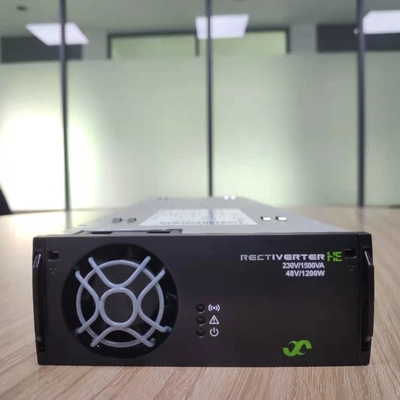
By utilizing an N+1 modular architecture, the power system includes at least one more rectifier module than the maximum load requires. If one module fails, the remaining units immediately pick up the load without a single millisecond of interruption. For rail operators, this means maintenance can be scheduled during regular working hours rather than treated as a high-cost emergency "call-out."
2. Hot-Swap Capability and "Mean Time to Repair" (MTTR)
In the rail industry, MTTR is a critical KPI. Modular systems allow for Hot-Swapping, meaning a non-technical staff member can pull out a faulty module and slide in a new one while the system is live. This eliminates the need for specialized electrical engineers at every remote trackside bungalow, drastically lowering labor-related OPEX.
3. Intelligent Load Sharing
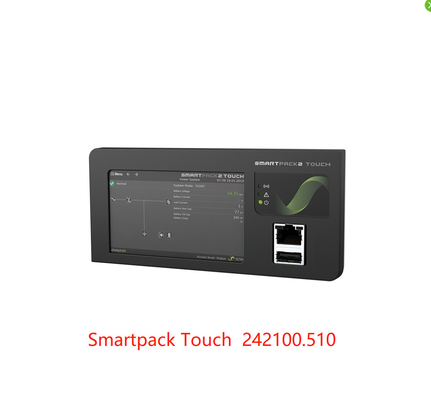
Modern controllers ensure that all active modules share the load equally. This prevents any single module from being overworked and overheated, effectively extending the lifespan of the internal capacitors and semiconductors. By maintaining a lower component temperature, the system significantly delays the equipment replacement cycle.
Technical Selection Guidelines for Rail Environments
When selecting a 3-phase power system for rail infrastructure, procurement teams must look beyond standard commercial specs. Rail-grade reliability requires specific technical benchmarks:
· Wide Input Voltage Tolerance: Rail grids can be unstable. A system that can handle 85Vac to 300Vac (L-N) ensures the -48Vdc output remains constant even during severe brownouts.
· Enhanced Surge Protection: Trackside equipment is highly susceptible to lightning strikes and switching surges. Integrating a 40kA surge protection device (SPD) is non-negotiable for protecting the DC load.
· Operating Temperature Range: Signaling cabinets often lack active air conditioning. A system rated for -40°C to +75°C ensures the power supply doesn't "derate" or fail during peak summer temperatures in desert or tropical environments.
Meeting International Standards (IEC and Beyond)
To ensure long-term integration with global rail projects, systems must comply with IEC 61000-3-2 for electromagnetic compatibility (EMC). This ensures the power conversion process doesn't leak "noise" back into the signaling lines, which could lead to false signal readings or communication dropouts. High-efficiency systems (≥96%) also reduce the heat signature of the equipment cabinet, further protecting surrounding electronic components.
Summary: A Strategic Investment in Infrastructure
For rail and transit infrastructure, the power system is the "silent partner" of safety. By investing in a Modular 3-Phase Power System, operators move from a reactive maintenance model to a proactive, cost-efficient strategy. The reduction in energy waste, combined with the near-elimination of system-wide failures, provides a clear ROI through lower OPEX and enhanced passenger safety.


 Your message must be between 20-3,000 characters!