As smart city applications, industrial IoT, and low-latency services expand toward the network edge across Asia, compact edge computing nodes are increasingly installed in telecom cabinets, building closets, and space-constrained equipment rooms. In these environments, limited vertical rack space and varied local power conditions present two practical engineering constraints.
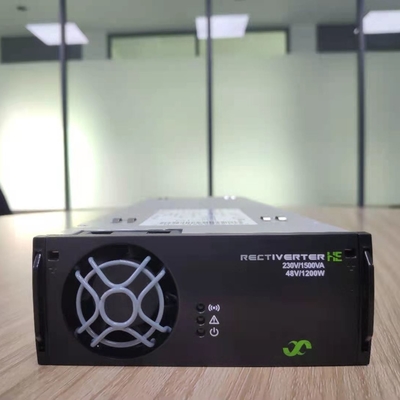
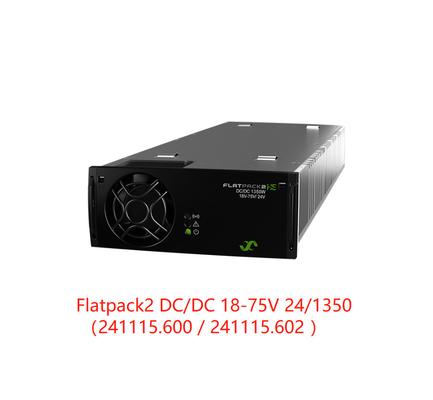
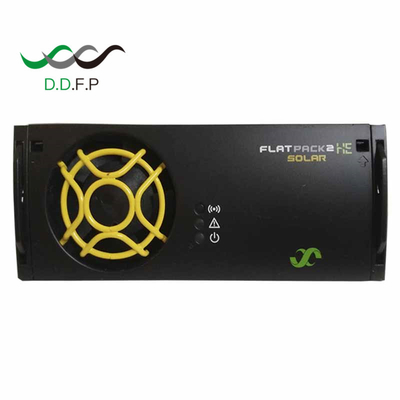
Deploying a high-density 2U modular DC power system integrates rectification, control, and distribution within a compact footprint, offering a practical path for space-limited edge deployments.
Typical Deployment Bottlenecks in Asian Edge Racks
1. Tight Vertical Rack Space and Mixed Equipment Loads
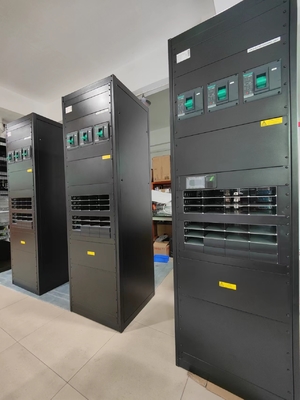
Edge computing racks typically house compute servers, switching hardware, and DC power shelves within a standard 19-inch enclosure. Multi-U discrete power setups consume valuable rack units and add cabling complexity inside tight cabinets.
2. Regional Grid Variations and Continuity Requirements
Mains power conditions across Asian sites vary by country and facility, spanning single-phase and three-phase configurations as well as TN or IT grounding systems, alongside occasional voltage fluctuations or surge events. Power systems need broad input tolerance and modular servicing to support continuous operation.
Key Parameters and Architecture of 2U Modular DC Power Systems
1. Compact Rack Footprint and Modular Capacity
-
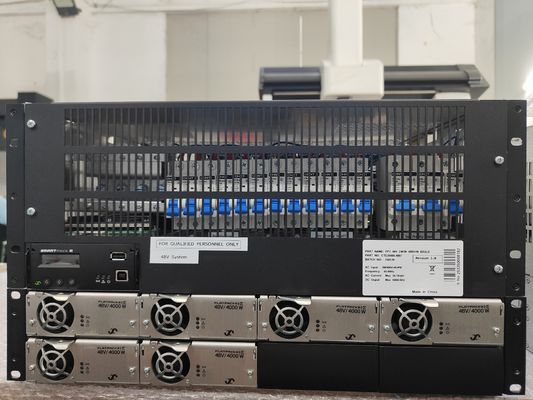
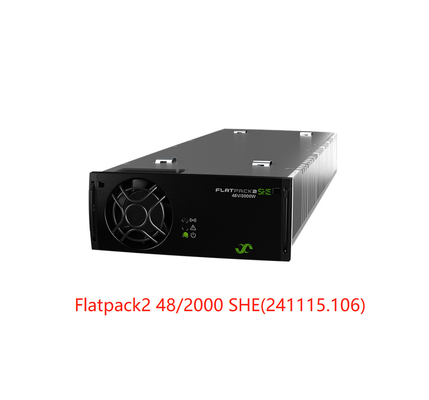
Mechanical Form Factor: Built in a 2U rack-mount format supporting 2kW or 3kW system configurations with modular rectifier positions (Pos 1 to Pos 4).
-
Input and DC Distribution: Includes mains input terminals (R1–R4) and DC output busbars/load circuits (24–125Vdc) for structured cabinet integration.
2. Wide Input Range and SPD Options
-
Grid Adaptability: Supports an 85–300Vac/dc input range with optional Surge Protection Device (SPD) configurations tailored to local AC mains topologies.
-
Voltage Isolation Rules: For system voltages above 60Vdc, backwiring configuration requires removing resistor R1 and linking CON 21 to GND per drawing specifications to maintain proper isolation and grounding.
3. Smart Monitoring and Bus Communication
-
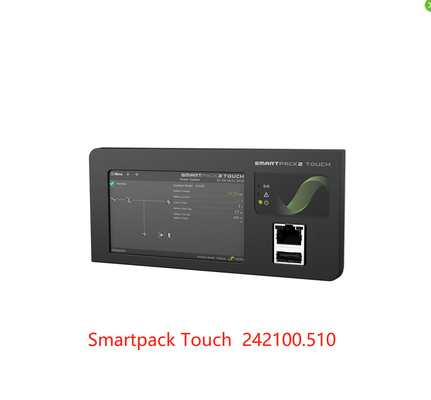
Controller and I/O Expansion: Pairs SmartPack2 controllers (Basic, Master, or Touch) with I/O Monitor Type 2 units for local status visibility and signal monitoring.
-
CAN Bus and Remote Interfaces: Uses CAN bus interconnections (with proper end-of-line termination resistors) along with Ethernet (Web/SNMP), RS232/RS485, and alarm outputs to support remote supervision.


 Your message must be between 20-3,000 characters!