Footprint and Architectural Bottlenecks in Legacy Telecom Cabinets
In conventional telecom base stations and networking room designs, the concurrent need for DC loads (such as -48Vdc core communication gear) and AC loads (such as 1ph 230Vac servers or auxiliary monitoring systems) has historically forced engineers to install two distinct architectures: a dedicated telecom rectifier rack and a separate uninterruptible power supply (UPS) unit.
This dual-system architecture introduces two critical technical bottlenecks for global network operators:
- Severe Waste of Physical Footprint: Separate UPS chassis, external AC distribution boxes, and DC power shelves consume excessive vertical space, causing tight telecom enclosures (especially outdoor 5G micro-cabinets) to quickly run out of usable rack units (U).
- Elevated Risk of Single Points of Failure: The power switching mechanism between AC and DC sectors typically relies on external Static Transfer Switches (STS) or complex relay links, significantly increasing the probability of interconnect failure.
Architectural Innovations of Integrated Rectiverters
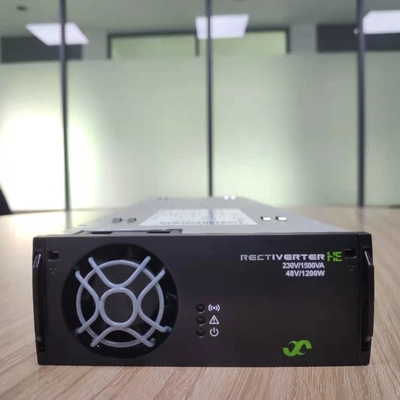
To radically optimize space inside the cabinet, integrated rectiverter systems based on a 3-port bidirectional converter architecture are rapidly replacing standard standalone UPS setups in worldwide B2B telecom procurement.
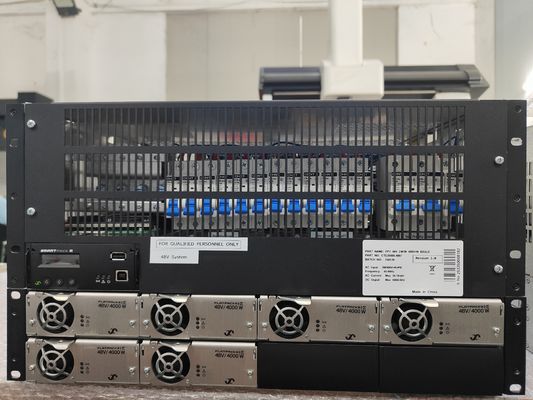
This next-generation technology fully integrates both rectifier and inverter circuits within a single, standard 1U chassis (integrated rectifier and inverter system). On the input side, the system connects directly to a single-phase AC utility grid (Mains input 1ph) while running concurrently with a -48Vdc backup battery bank. On the output side, it channels power through 3x integrated, industrial-grade IEC 320-C13 receptacles to deliver stable AC output while simultaneously regulating the DC bus. This revolutionary topology condenses an entire 3U-to-4U legacy multi-device infrastructure down into a tight 1U rackmount rectiverter, completely resolving the footprint constraints of telecom cabinets.
Rigorous Physical and Electrical Standards for Telecom-Grade Reliability
When shifting away from traditional UPS configurations toward integrated rectiverter hardware, B2B procurement managers and system integrators must evaluate specific parametric evidence to guarantee performance under harsh industrial conditions:
- Heavy-Duty DC Connection Integrity: To withstand ongoing physical micro-vibrations generated by enclosure cooling fans, the DC input/output terminals (DC in-/output) specify the use of robust LUG (M6) cable lugs with a rigid torque requirement of 6 Nm. This high-torque parameter secures continuous physical contact, suppressing risks of increased contact resistance or thermal damage.
- Precision AC Terminal Engineering: The AC-side PE, L1, and N terminals are designed to maintain a strict tightening torque of 0.7 +/-10% Nm, accommodating 2.5 - 4 mm² industrial-grade cables to eliminate stress fatigue and loose wire phenomena over extended lifespans.
- Mandatory Quad Factory Insulation Controls: To ensure flawless substitution of safety-critical equipment, every system must undergo comprehensive high-voltage insulation tests (AC to PE, DC to PE), internal cross-isolation checking (AC to DC), and ground bond integrity tests before dispatch. All test values must be certified as "Controlled and accepted" in the factory testing report.
Strategic Selection Guide for Integrated Power Upgrades
Telecom infrastructure planners conducting evaluations for UPS replacement should strictly assess the following technical benchmarks:
- 0ms Seamless Source Transfer: The system must provide true 0ms transfer time between the AC grid and the battery backup to shield edge node loads from any risk of voltage sags or temporary reboots.
- Modular Scalability: The 1U power shelf architecture must feature cascade-friendly expansion capabilities, supporting linking up to a fourth power rack or more to accommodate future network hardware rollouts.
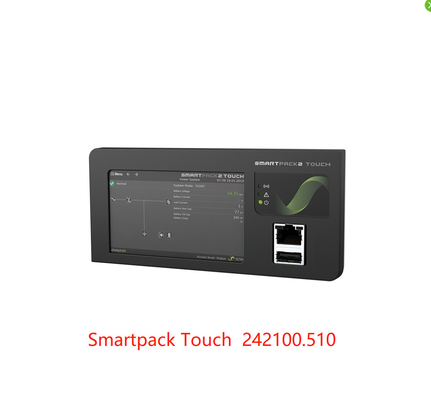
- Hardware-Level Bus Monitoring: Built-in CAN BUS communication interfaces and hardware Form C relay alarm outputs are imperative, enabling the system to relay real-time health telemetry directly to a centralized Smartpack controller.


 Your message must be between 20-3,000 characters!