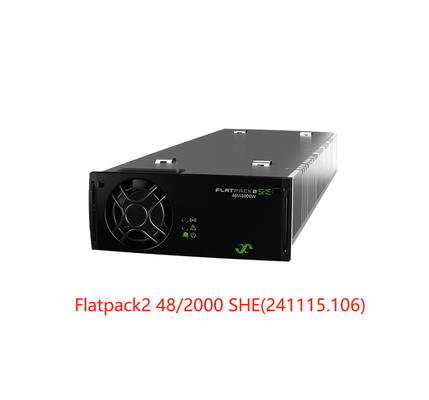
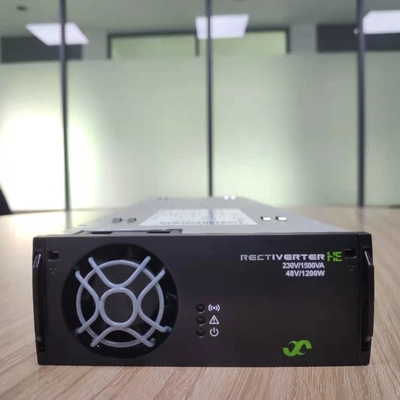
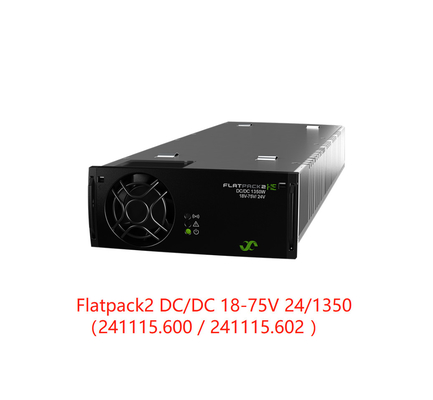
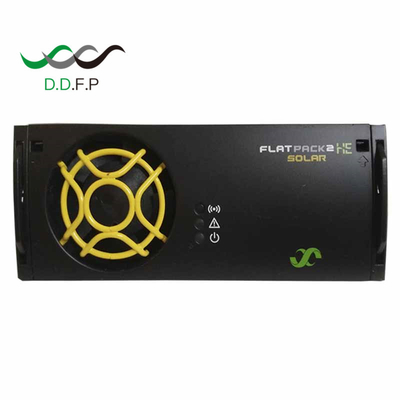
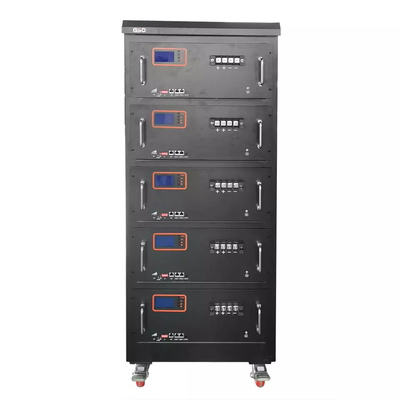
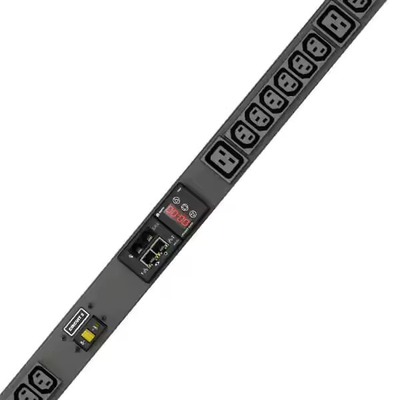
In remote areas like the South American Andes, numerous telecom base stations operate in off-grid environments, relying on hybrid power systems (Solar, Wind, and Diesel). In these isolated energy islands, every 1% increase in power conversion efficiency translates directly into reduced fuel consumption and extended battery life. This article explores how the Flatpack2 48V SHE serves as the heart of hybrid power systems to optimize the Total Cost of Ownership (TCO) for off-grid sites.
Industry Insights: The OPEX Black Hole of Off-Grid Sites
Operating off-grid sites in South America presents severe logistical challenges:
1. Fuel Logistics Costs: In remote mountains, the cost of transporting diesel often exceeds the cost of the fuel itself, with frequent refueling trips inflating OPEX.
2. Energy Conversion Losses: Within the "Solar-Battery-Load" or "DG-Rectifier-Battery" energy cycles, low-efficiency rectifiers allow precious green energy to dissipate as waste heat.
Selection Guide: The "Efficiency Multiplier" in Hybrid Systems
For off-grid applications, the selection of the Flatpack2 48V SHE is driven by its deep optimization of the energy chain:
1. 97.8% Efficiency: Maximizing Green Energy Harvest
In solar hybrid systems, rectifier efficiency dictates the utilization rate of PV panels. With a peak efficiency of 97.8%, the Flatpack2 48V SHE ensures minimal losses between the charge controller and DC loads. Compared to traditional 92% modules, this not only reduces heat but means more energy is stored in the batteries under identical sunlight conditions, effectively reducing the runtime of diesel generators (DG).
2. Wide Temperature and Environmental Resilience
Mountainous regions in South America experience extreme diurnal temperature swings. Technical specifications show the module operates reliably from -40°C to +75°C. This resilience ensures industrial-grade performance within simple outdoor enclosures relying only on natural ventilation, eliminating the need for extra cooling power.
3. 2-Year Payback and Fuel Saving Metrics
Economic analysis from the technical documentation indicates that in off-grid applications, the fuel savings and reduced battery maintenance costs provided by SHE technology enable a payback period of approximately two years. By reducing internal heat, the SHE module stabilizes the ambient temperature for battery banks, preventing premature degradation—a high-value financial advantage in regions where battery replacement is logistically difficult.
Technical Integration: Smart Control and Redundancy
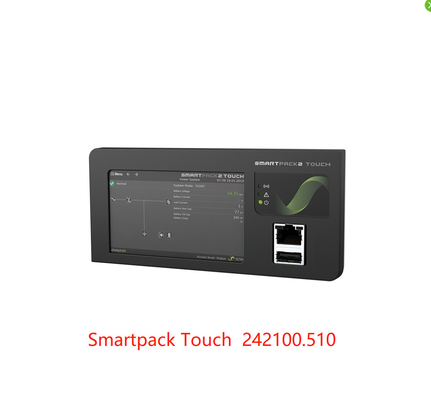
As a highly integrated module, it interfaces seamlessly with Smartpack controllers via the CAN bus for precise hybrid system management:
· High-Precision Charging: ±0.5% regulation accuracy ensures batteries follow optimal charging curves, enhancing cyclic efficiency.
· 1,900,000-Hour MTBF: Exceptional reliability ensures continuous uptime during month-long intervals between manual site inspections.


 Your message must be between 20-3,000 characters!