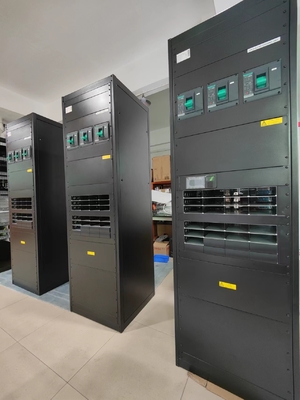
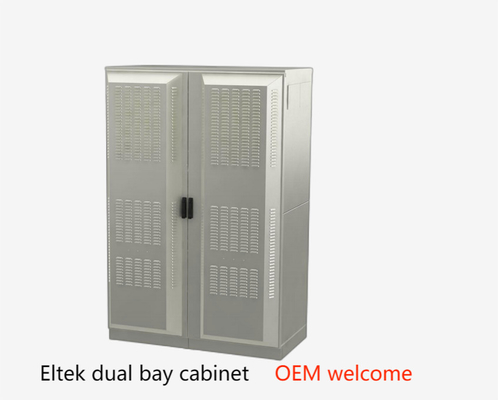
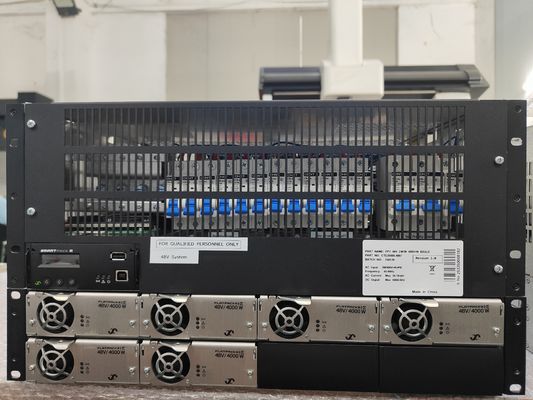
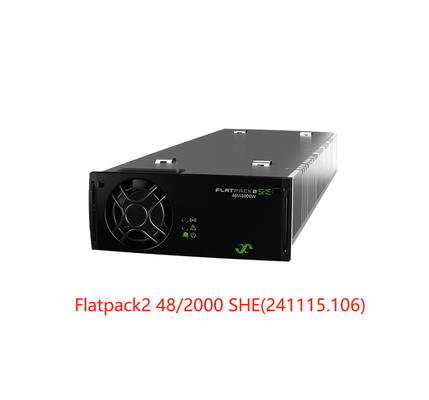
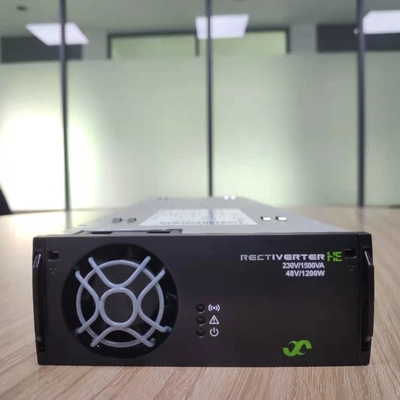
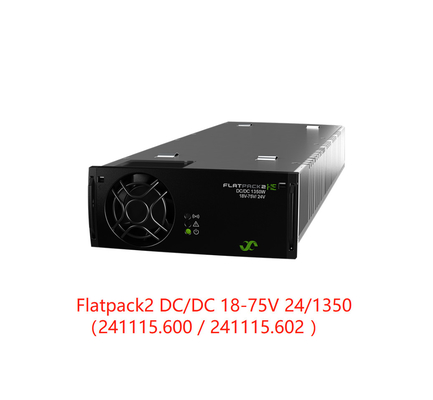
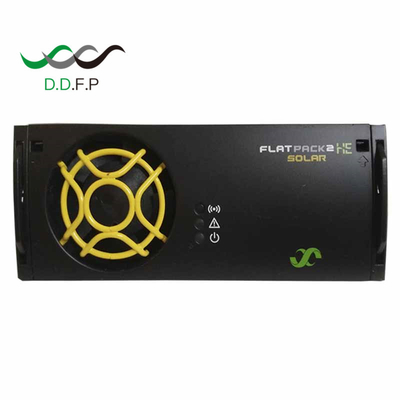
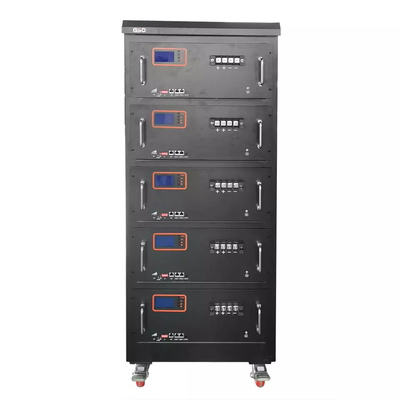
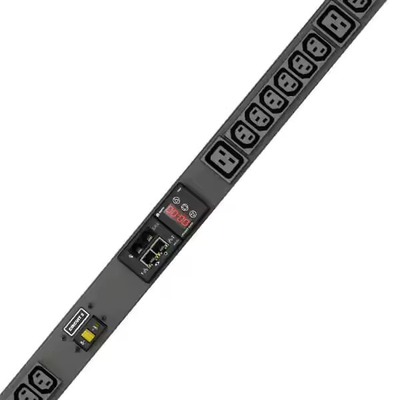
In South America’s geographic landscape, the Andes Mountains span multiple countries. Due to rugged terrain and grid extension difficulties, a vast number of telecom sites remain completely off-grid. For decades, these sites have relied heavily on Diesel Generators (DG). However, with global energy price volatility and the exorbitant logistical costs of fuel delivery to remote areas, traditional power models are facing unsustainable OPEX (Operating Expense) pressures. The Flatpack2 Hybrid Power System provides a viable solution for cost reduction and efficiency by integrating renewable energy with high-efficiency rectification technology.
Operational Pain Points in Mountainous Sites: Why is OPEX So High?
For sites located above 3000 meters in South America, fuel costs comprise more than just the purchase price; they include expensive mountain transport logistics. Furthermore, traditional diesel engines often run under low-load conditions, leading to carbon buildup. This increases maintenance frequency from every 500 hours to as often as every 200 hours, straining manual labor budgets and spare parts inventories.
Hybrid Power Systems: From Single Source to Intelligent Integration
The Flatpack2 Telecom Hybrid system redefines energy dispatch logic through its highly integrated DC architecture:
· Solar Priority Principle: Built-in high-efficiency DC/DC solar controllers prioritize the abundant UV resources found at high altitudes, using batteries or diesel generators only as a secondary backup during nights or cloudy periods.
· DG Cycle Management: Rather than running the generator continuously, the system operates the DG only at its most efficient load point when battery levels drop below a set threshold, shutting it down immediately once the recharge is complete.
Key Technical Specifications: Parameters Supporting High-Altitude Stability
For South American mountain environments, the selection guide must emphasize the following data-driven indicators:
1. Ultra-Wide Input Dynamic Range (85V - 300V AC): At high altitudes, diesel generators may produce fluctuating voltage frequencies due to oxygen deficiency. Flatpack2 modules, with their wide adaptability, ensure that DC output precision remains within ±0.5% even with poor input quality.
2. Insulation and Surge Protection (2.1 kVDC Galvanic Isolation): High-altitude regions are prone to lightning strikes. The system’s Galvanic Isolation provides physical protection, effectively blocking external surges from damaging sensitive communication equipment.
3. Derating Performance: Heat dissipation efficiency drops in thin air. The Flatpack2 system maintains full power output up to +55°C and only enters linear derating at +75°C, ensuring reliability during intense daylight heat.
Data-Driven Cost Optimization Results
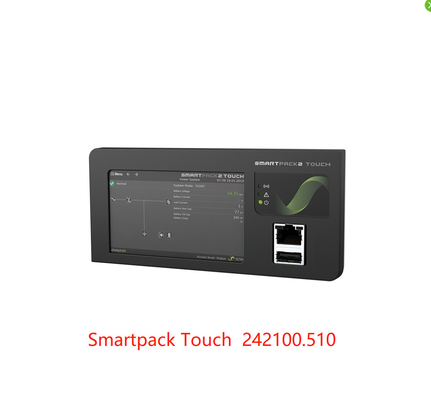
By leveraging the automated asset management of the Smartpack2 controller, operators can achieve:
· Fuel Savings: Optimized charging algorithms directly reduce fuel consumption. Shortened diesel runtime extends maintenance intervals from monthly to every 4–6 months.
· Battery Life Protection: Precise Low Voltage Disconnect (LVD) prevents deep discharge in cold mountain environments, maximizing the lifespan of expensive Lithium or Gel batteries.
Conclusion: Toward Sustainable Telecom Infrastructure
For off-grid site upgrades in South American mountains, the Flatpack2 Hybrid Power System does more than solve energy access—it transforms "heavy maintenance investment" into "predictable asset management" through rigorous technical control. This is not just a technological upgrade, but a necessary step toward the global trend of low-carbon telecommunications.


 Your message must be between 20-3,000 characters!