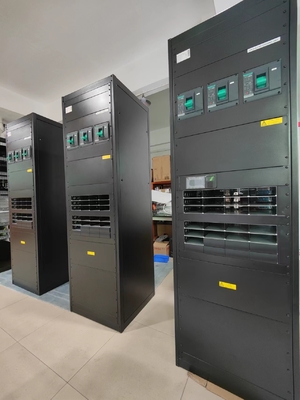
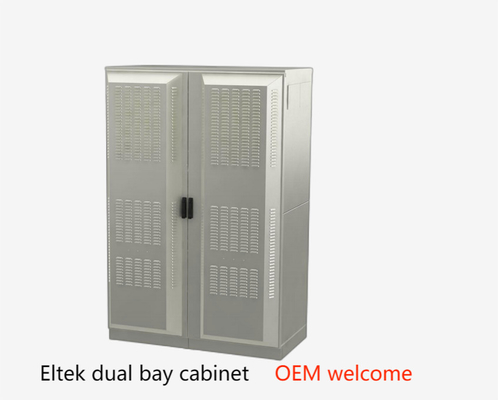
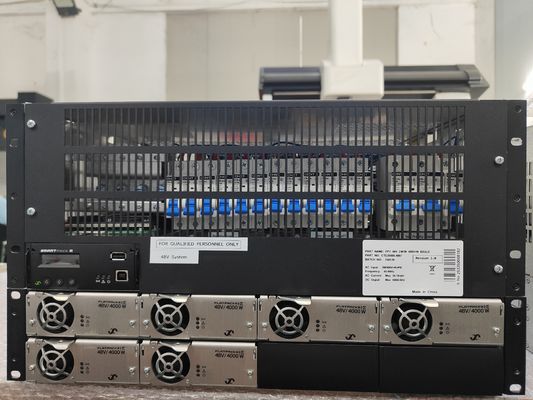
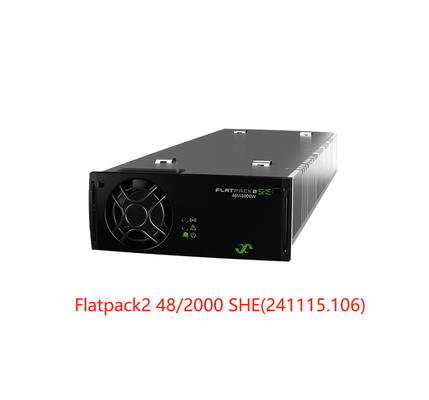
In the Middle East, where ambient temperatures frequently exceed 50°C (122°F), telecommunications infrastructure faces a dual crisis: thermal runaway and skyrocketing energy consumption. For network operators, the traditional reliance on standard air conditioning is no longer sustainable due to high failure rates and excessive OPEX. The industry is shifting toward the Telecom Hybrid System—a sophisticated integration of power electronics and thermal management designed for mission-critical reliability in extreme environments.
The Engineering Reality: Why Heat Destroys Base Station ROI
Overheating is not just a maintenance nuisance; it is a fundamental threat to the physical layers of a communication network. In high-temperature regions like Saudi Arabia, the UAE, or Iraq, "heat-soak" effects can lead to several technical failures:
· Battery Degradation: Lead-acid and even some lithium chemistries experience a 50% reduction in cycle life for every 8°C-10°C rise above their optimal operating temperature.
· Power Derating: Rectifiers and converters often trigger self-protection mechanisms, reducing current output exactly when cooling fans require maximum power.
· Component Fatigue: Rapid thermal cycling between scorching days and cooler nights causes micro-cracks in solder joints and PCB traces.
Core Technical Solutions: Integrated Cooling Architectures
Modern Telecom Hybrid Systems solve these issues through a multi-layered thermal design rather than simple ventilation. When selecting a system for high-heat deployment, three parameters are non-negotiable:
1. Advanced Heat Exchange Technology (HEX)
Unlike open-loop cooling that pulls dusty, hot air directly over sensitive electronics, integrated hybrid systems utilize closed-loop Heat Exchangers (HEX). These units isolate the internal clean air from the external harsh environment, ensuring that components remain at a stable temperature (typically ΔT < 10°C above ambient) without exposure to sand or humidity.
2. Intelligent Rectifier Efficiency
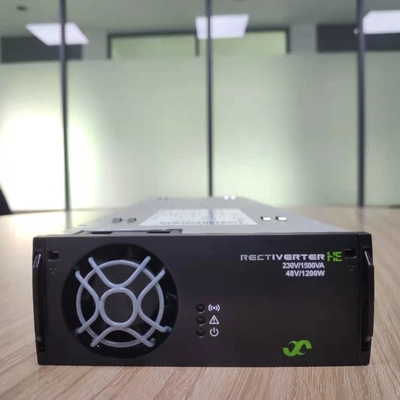
Heat is a byproduct of energy loss. By deploying high-efficiency rectifiers (typically >96%), a 16kW–24kW hybrid system significantly reduces the "internal heat load." Every 1% gain in efficiency translates to hundreds of watts of heat that do not need to be dissipated, directly lowering the stress on the cooling subsystem.
3. Smart Solar-Hybrid Balancing
In Middle Eastern deployments, solar PV is often the primary energy source. A robust Telecom Hybrid System uses intelligent Maximum Power Point Tracking (MPPT) to manage the energy flow. By prioritizing solar power during peak sun hours, the system reduces the runtime of diesel generators (DG), which are themselves massive heat contributors.
Selection Guide: Key Parameters for High-Temperature Stability
To ensure long-term reliability in "Heatwave" conditions, procurement teams must verify the following technical specifications:
|
Parameter
|
Recommended Specification
|
Impact on Stability
|
|
Operating Temp Range
|
-40°C to +55°C (Full Load)
|
Prevents system shutdown during peak summer.
|
|
Ingress Protection
|
IP55 or higher
|
Blocks fine desert sand from clogging fans.
|
|
Cooling Capacity
|
150W/K to 200W/K (HEX)
|
Determines the efficiency of heat removal.
|
|
Material/Finish
|
Galvanized Steel + Outdoor Powder Coating
|
Prevents UV degradation and thermal absorption.
|
Conclusion: Shifting from Reactive to Proactive Thermal Management
Solving the overheating crisis in the Middle East requires a move away from "bolt-on" cooling toward a fully integrated Telecom Hybrid System. By focusing on closed-loop thermal isolation and high-efficiency power conversion, operators can protect their lithium battery investments and ensure 99.99% uptime despite the harshest climate conditions on Earth.


 Your message must be between 20-3,000 characters!