Certainly. The following is the English translation of the provided Chinese text, structured to reflect the original content's professional and analytical tone regarding the adoption of hybrid solar power solutions in developing countries.
Market Context: Power Instability Driving Demand for Reliable Solutions
In recent years, power shortages and unreliable grid electricity in many developing countries have frequently led to communication base stations exhausting their backup power and ceasing operation. This has disrupted internet access for numerous households, strengthening demands from both operators and enterprise clients for more stable and reliable power supply. Coupled with global warming concerns and environmental regulations, a growing number of customers are opting for hybrid solar power solutions .
Throughout 2025, approximately 40% of the systematic integrated solutions proposed by our company to potential clients incorporated requirements for hybrid solar power systems. This demand was particularly concentrated in developing regions such as the Middle East, Africa, and South America .
Analysis of Hybrid Solar Solution Adoption
The significant market share of hybrid solar solutions highlights a clear trend where operators in developing regions prioritize energy resilience and sustainability. This shift is driven by several critical factors experienced in these markets :
-
Grid Instability: Frequent power outages and voltage fluctuations make pure grid reliance untenable for critical infrastructure like communication base stations.
-
Operational Cost Reduction: Hybrid systems significantly lower operating expenses (OPEX) by reducing dependence on diesel generators, which have high fuel and maintenance costs.
-
Environmental Goals: Adopting solar energy helps operators meet ESG (Environmental, Social, and Governance) objectives and reduce their carbon footprint.
-
Practical Deployment Success: Real-world applications, such as projects in Nepal and Tanzania, demonstrate the effectiveness of these systems in remote and grid-weak areas, providing reliable power while lowering costs and emissions .
Technical and Business Considerations
The transition to hybrid solar power involves careful planning and offers distinct advantages :
-
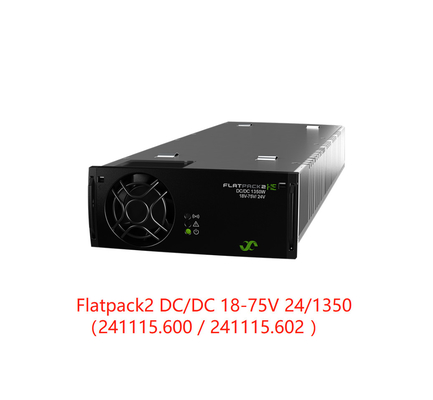
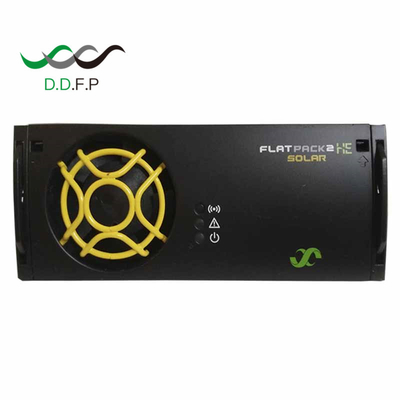
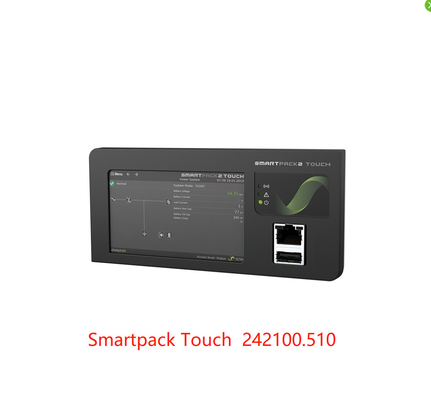
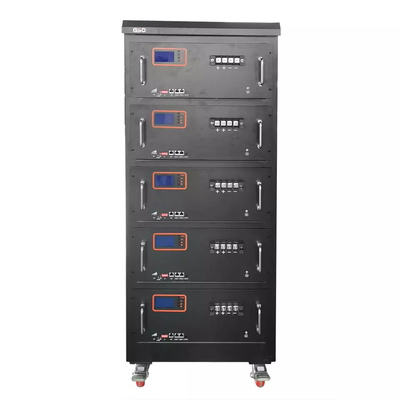
System Configuration: These systems typically combine solar panels, battery storage, and a backup generator (or unstable grid power). Intelligent energy management controllers prioritize solar energy use, seamlessly switching to batteries or backup generators as needed .
-
Economic Benefits: Despite the initial investment, the long-term reduction in fuel and maintenance costs leads to a favorable return on investment (ROI). This is a key factor for operators facing cost pressures .
-
Reliability and Sustainability: By leveraging solar power, these systems ensure higher service availability, reduce greenhouse gas emissions, and support sustainable network expansion, particularly in bridging the digital divide for remote communities .
In summary, the translation outlines the market dynamics, key drivers, and operational benefits behind the growing preference for hybrid solar power solutions in developing countries, based on the provided Chinese text and supported by the search results.
In 2025, among the many system integration solutions we provided to prospective clients, 40% of them requested solar hybrid power solutions. The demand is increasing by 25% than 2024.
Hereby this way, we warmly welcome any client to cooperate with us for the hybrid solar power products. For any inquiry, pls send us by email : info@topfuturepower.com


 Your message must be between 20-3,000 characters!