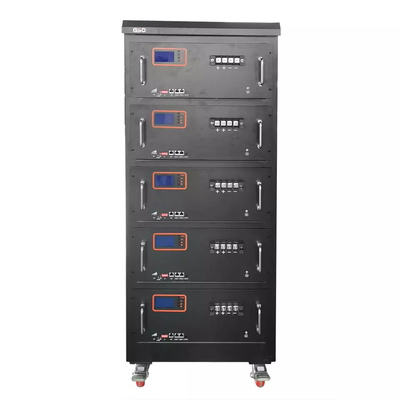
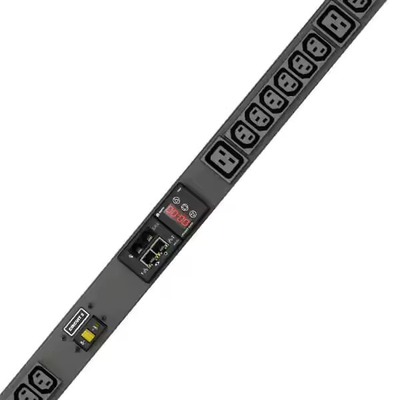
In the rapidly expanding telecommunications landscape of West Africa, network operators face a persistent challenge: the high cost of energy. With unstable national grids and heavy reliance on diesel generators, the Operating Expenditure (OPEX) for remote base stations often consumes a disproportionate share of revenue. Transitioning from traditional power setups to an advanced Telecom Hybrid System is no longer just a sustainable choice—it is a financial imperative for site profitability.
The Cost of Inefficiency: Energy Challenges in West African Telecom
Operating a base station in regions like Nigeria, Ghana, or Ivory Coast involves navigating complex logistical and environmental hurdles. Traditional "Diesel-Only" or "Basic Battery Backup" models suffer from several technical inefficiencies that drive up OPEX:
· Low Generator Load Factor: Diesel generators (DGs) often run at low loads to power minimal nighttime traffic, leading to fuel glazing and increased maintenance intervals.
· High Fuel Logistics: The "last-mile" delivery of diesel to remote sites is subject to theft, price volatility, and high transportation costs.
· Frequent Battery Replacement: Standard batteries often fail prematurely due to high ambient temperatures and deep discharge cycles without proper management.
Technical Levers: How Hybrid Systems Drive Down OPEX
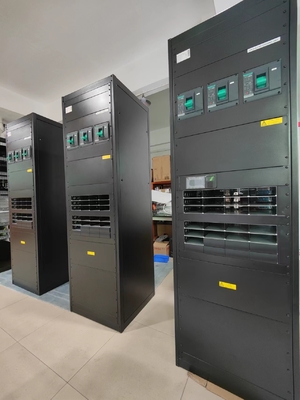
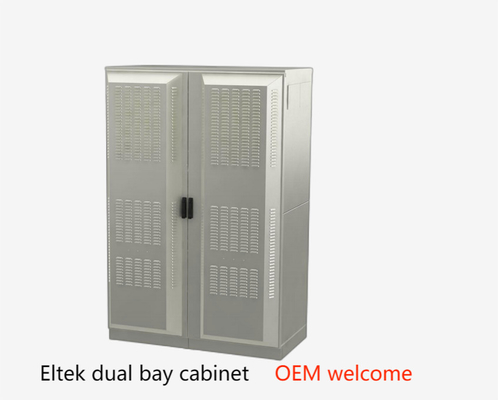
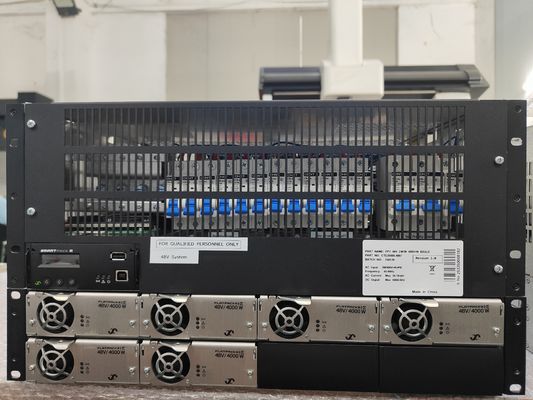
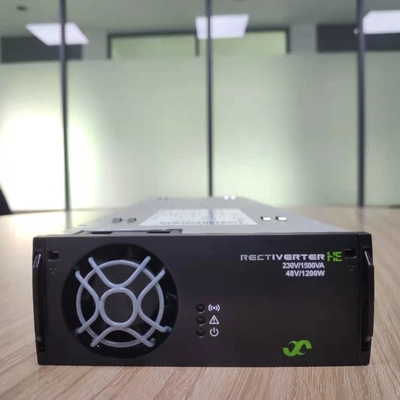
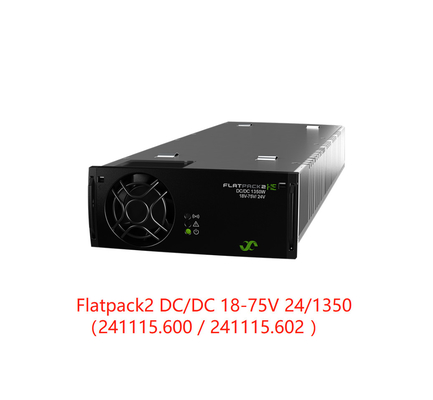
A high-performance Telecom Hybrid System (16kW–24kW) integrates solar energy, battery storage, and smart power conversion to break the cycle of high energy spending.
1. Intelligent Diesel-to-Battery (D2B) Logic
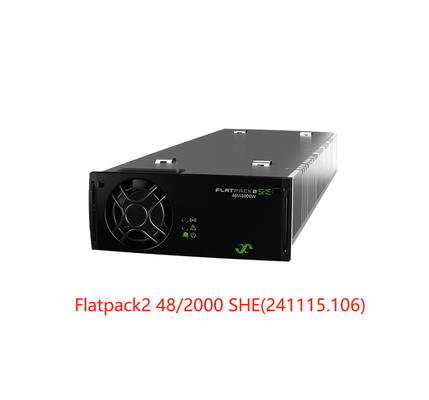
The core of OPEX reduction lies in the system's ability to maximize "Generator-Off" time. By utilizing high-efficiency rectifiers and lithium-ion storage, the hybrid controller ensures the DG only runs at its optimal efficiency point (usually 70-80% load) to charge the batteries rapidly. Once charged, the DG shuts down, and the site runs silently on stored energy, reducing fuel consumption by up to 40-60%.
2. Solar Prioritization and MPPT Integration
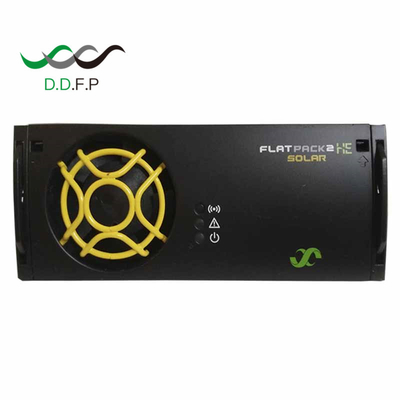
In the sun-drenched corridors of West Africa, solar energy is the most effective tool for lowering OPEX. Advanced hybrid systems feature integrated Maximum Power Point Tracking (MPPT) modules with conversion efficiencies exceeding 98%. The system prioritizes "Green" electrons, using solar power to drive the load and charge batteries simultaneously, effectively "clipping" the peak energy costs during daylight hours.
3. Remote Monitoring and Predictive Maintenance
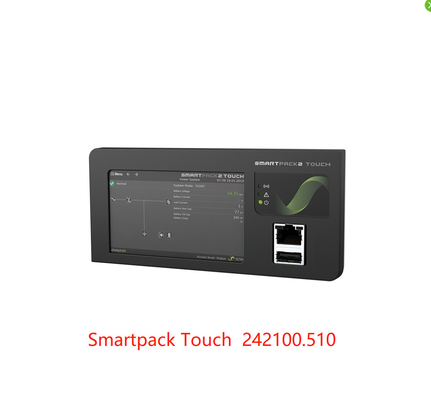
OPEX isn't just about fuel; it’s about truck rolls. Integrated AI-driven monitoring allows operators to track real-time parameters such as fuel levels, battery State of Health (SOH), and cooling performance. By identifying a cooling fan failure or a degrading battery cell remotely, maintenance teams can shift from reactive "emergency" visits to planned, optimized site tours.
Selection Guide: Evaluating Hybrid Systems for West African OPEX Goals
When selecting a system for West African deployment, technical buyers should prioritize these specific parameters to guarantee ROI:
|
Selection Parameter
|
Technical Requirement
|
OPEX Impact
|
|
System Efficiency
|
>96% Rectifier Efficiency
|
Minimizes heat waste and reduces AC/Cooling power draw.
|
|
Battery Compatibility
|
Multi-vendor Lithium/Lead-acid support
|
Allows for flexible sourcing and future-proof scaling.
|
|
Protection Grade
|
IP55 (Dust/Sand Resistance)
|
Reduces internal cleaning cycles and hardware failure rates.
|
|
Current Capacity
|
400A - 600A Configurable
|
Ensures the system can handle 4G/5G expansion without total replacement.
|
Industry Insight: The Transition to Managed Energy Services
The trend in West Africa is moving toward "Energy-as-a-Service." To support this, a Telecom Hybrid System must be more than a power box; it must be a data-rich energy hub. By stabilizing the output current and providing consistent, reliable power, operators can extend the lifespan of their expensive RAN (Radio Access Network) equipment, further protecting the long-term capital investment.
Conclusion
For West African operators, the path to a lower OPEX starts with replacing inefficient legacy power systems with integrated hybrid technology. By focusing on fuel displacement through solar integration and intelligent battery management, sites can achieve a much lower Total Cost of Ownership (TCO) while significantly increasing network uptime.


 Your message must be between 20-3,000 characters!