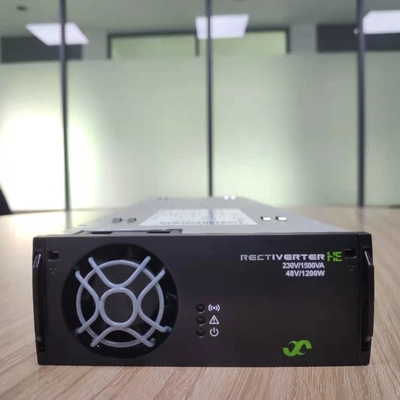
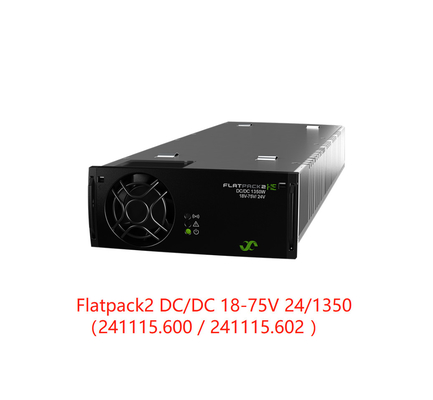
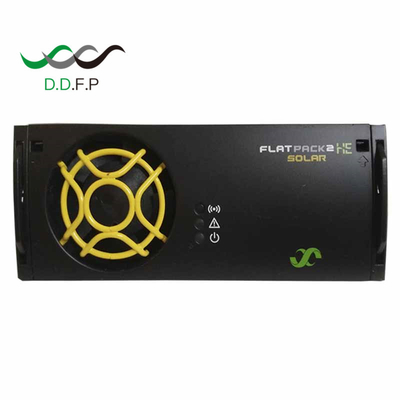
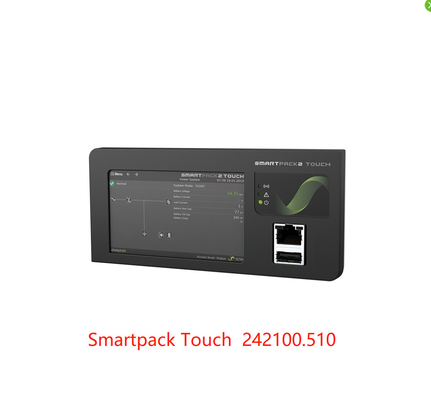
As 5G deployment in Europe enters a mature phase, surging power consumption at cell sites combined with volatile energy prices has become a major barrier to maintaining operator margins. In this context, power conversion efficiency is no longer just a technical specification; it is a financial metric directly impacting the Total Cost of Ownership (TCO). This article analyzes the Flatpack2 48V SHE module and explores how its 97.8% efficiency achieves a return on investment (ROI) within approximately two years.
Industry Insights: Energy Cost Challenges in the 5G Era
European telecom operators are currently squeezed between stringent energy reduction regulations (such as the EU Green Deal) and rising electricity tariffs.
- 5G Power Intensity: 5G base stations typically consume 2-3 times more power than 4G setups, placing immense strain on existing power infrastructure.
- Legacy Asset Burden: A vast number of operational rectifiers with efficiencies around 91%-93% waste significant electricity through conversion loss annually, effectively acting as "static liabilities" on the balance sheet.
Selection Guide: Power System Upgrade Logic Based on ROI
When selecting equipment for 5G expansions, operators must look beyond initial Capital Expenditure (CAPEX) and calculate lifecycle Operational Expenditure (OPEX).
1. Direct Electricity Savings via 97.8% Efficiency
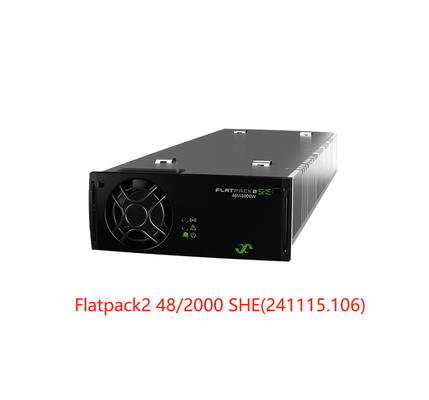
The Flatpack2 48V SHE module achieves a peak conversion efficiency of 97.8%. Technically, compared to a traditional 92% efficient rectifier, energy waste is reduced by 70% (dropping from an 8% loss to a 2.2% loss). In European regions with high electricity costs, this reduction translates directly into operational net profit.
2. Technical Validation of the 2-Year Payback Period
According to technical documentation, the electricity savings generated by upgrading to SHE modules typically cover the replacement costs within 24 months in standard grid-connected applications. In hybrid energy sites or regions with higher energy tariffs, such as Northern or Western Europe, this period may be even shorter.
3. Zero-Labor Retrofit via "Hot-Plugging"
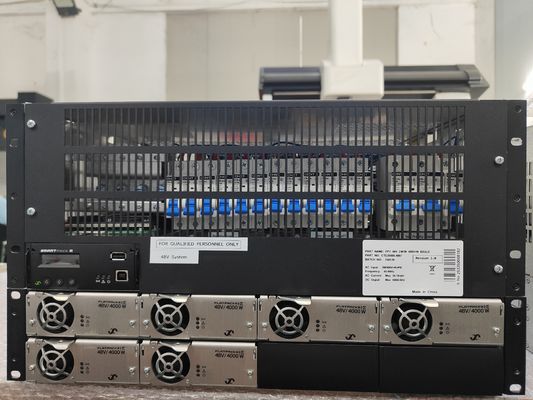
The module’s Hot Pluggable feature and full compatibility with existing Flatpack2 systems ensure:
- Backward Compatibility: No need to replace existing cabinets, controllers, or distribution backplanes.
- Low Implementation Cost: Technicians can replace modules rapidly without interrupting live services, significantly reducing the labor and time costs associated with system upgrades.
Industrial Standards and ESG Compliance
For European enterprises focused on Environmental, Social, and Governance (ESG) goals, equipment must meet international benchmarks:
- Electrical Safety: Compliance with EN 62368-1 ensures safety under high 5G loads.
- EMC Compliance: Meets ETSI EN 300 386 requirements to avoid interference with precision communication signals.
- Longevity Assurance: A Mean Time Between Failures (MTBF) of 1,900,000 hours ensures the asset remains operational for 10-15 years, further reducing the overall carbon footprint.


 Your message must be between 20-3,000 characters!