H2: Power Quality Degradation and Maintenance Obstacles at Remote Distributed Telecom Nodes
During the implementation of large-scale distributed infrastructure networks—such as cross-border backbone transmission systems, long-haul fiber-optic repeater stations, and remote frontier microwave links—a significant portion of telecom rooms are deployed at the absolute edge of the utility grid or rely entirely on off-grid hybrid power. These isolated nodes universally encounter severe challenges related to localized power quality degradation. Due to high impedance across extended distribution lines, the AC utility grid routinely inflicts transient over-voltages, high-frequency switching ripples, and severe phase imbalances upon the facilities.
Under traditional DC power plant management frameworks, these remote distributed sub-rooms exist as isolated data islands. When unstable grid conditions trigger thermal protection cutoffs within rectifier modules, or force backup battery strings to discharge to their critical safety limits, central network operations centers (NOC) remain blind to lower-level physical parameters. This systemic latency forces network operators to rely on expensive, reactive on-site manual inspections. When a catastrophic physical failure occurs, extended troubleshooting timelines and spare parts transportation logistics result in prolonged communication link blackouts, causing unquantifiable operational losses.
H2: Intelligent Selection Guide for Distributed Power Utilities Built on Smartpack2 Controllers
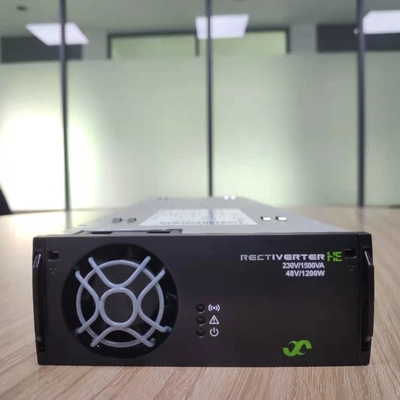
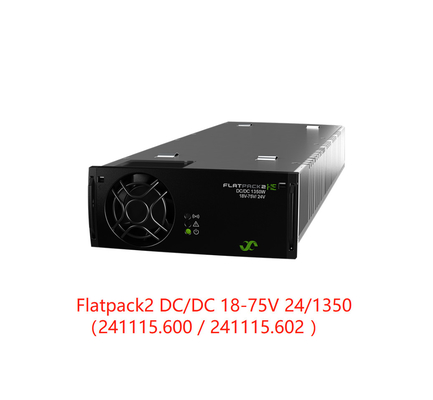
To eliminate the operational data blackouts characterizing remote node facilities, B2B procurement managers and network planning engineers must pivot from evaluating simple physical distribution gear to selecting fully integrated software-hardware digital topologies. Integrated DC power configurations engineered around the Eltek Flatpack2 infrastructure leverage the Smartpack2 digital monitoring architecture to deliver explicit technical criteria for remote site deployment:
H3: 1. Core Hardware and Software Architecture Selection for the Control Layer
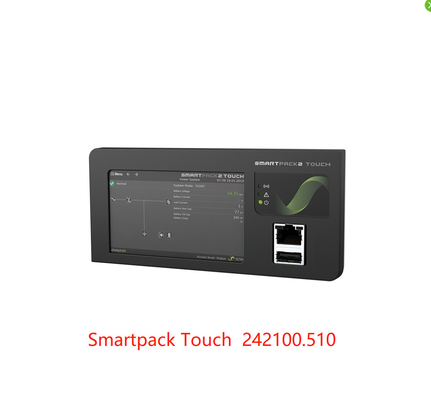
- Three-Tier Distributed Monitoring Topology: System technical specifications must dictate that the control layer operates through three synchronized hardware components: the Smartpack2 Touch (an embedded touch-screen Human-Machine Interface on the front panel), the Smartpack2 Basic (the master core controller managing rectifier topology computations), and the Type 2 I/O monitoring module (dedicated to parsing physical environmental telemetry such as temperature, smoke, and access control data).
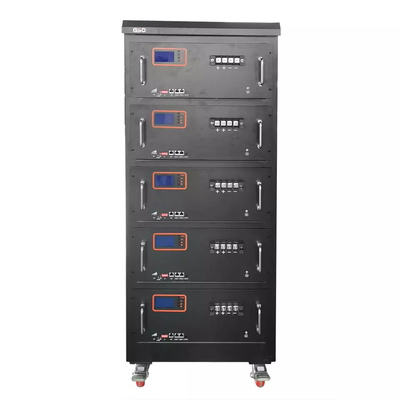
- Lifecycle Battery Management (BLM): The embedded software matrix must execute high-precision State of Health (SOH) and State of Charge (SOC) tracking algorithms. By continuously analyzing charge/discharge kinetics and per-cell voltage vectors, the controller proactively engages the 300A/500A Low Voltage Battery Disconnect (LVBD) contactors milliseconds before terminal cutoff thresholds (-43.2 VDC) are violated, thereby extending remote asset lifecycles.
H3: 2. Native Networking Protocols and Driverless Communication Interfaces
- Native Onboard Ethernet Port: Intelligent system sourcing requires an integrated RJ45 Ethernet connection directly on the controller mainboard, natively supporting dual-stack IPv4/IPv6 networking architecture.
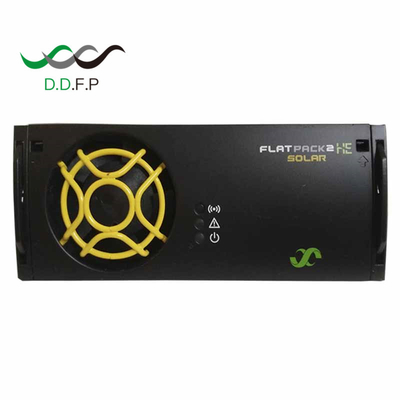
- Direct Web Browser Interface Access: Remote operations personnel require no specialized, proprietary client software. By inputting the designated site IP into any standard web browser (via HTTP/HTTPS), engineers can instantly audit the real-time MPPT operational window (100-380 VDC) of the Flatpack2 HE Solar chargers and the current status of all DC distribution circuit breakers.
- Industrial Bus Scalability: The control infrastructure must natively communicate via standard SNMP (Simple Network Management Protocol) and Modbus TCP dialects, ensuring seamless integration into the operator's existing umbrella Network Management Systems (NMS) or third-party SCADA monitoring dashboards.
H2: Shifting Operations from Reactive Troubleshooting to Predictive Maintenance via Digital Topology Telemetry
The strategic integration of Smartpack2 controllers across distributed telecom facilities delivers its core commercial value by redefining the maintenance lifecycle. Granular digital monitoring replaces blind spots with comprehensive power quality visualization across the entire network topology.
By aggregated logging, archiving, and processing parametric data streams from the edge—including input fluctuation frequencies across the wide 85-420 VDC solar inputs, harmonic ripple amplitudes generated by non-linear loads on the DC busbar, and temperature trends spanning the system's -40°C to +55°C operating limits—AI-driven asset management algorithms can easily flag which grid sectors are accelerating toward degradation. This data-backed predictive visibility empowers maintenance teams to schedule targeted part replacements and power-conditioning dispatches weeks before a rectifier module or battery bank experiences actual failure, pushing the overall 24/7/365 availability of isolated telecom sites to strict carrier-grade standards.


 Your message must be between 20-3,000 characters!