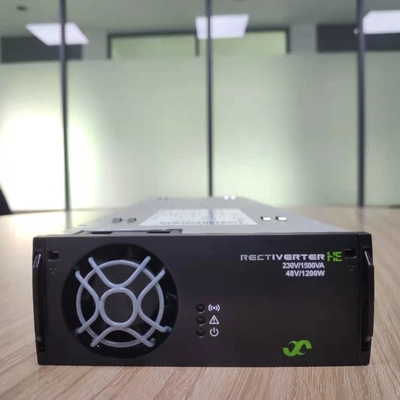
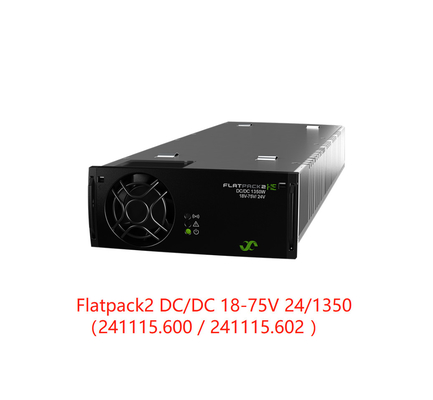
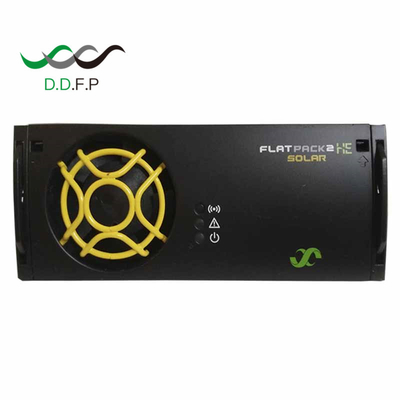
In the European telecommunications sector, as 5G deployments mature, base station power consumption has become a dominant component of Operational Expenditure (OPEX). With the European Telecommunications Standards Institute (ETSI) pushing for higher energy efficiency, the introduction of Flatpack2 SHE (Super High Efficiency) technology provides critical support for high-power sites aiming for carbon neutrality and cost optimization.
Energy Conversion Loss: The Invisible Profit Killer in High-Power Sites
In a typical telecom power chain, the primary energy conversion loss occurs during the DC-to-DC step-down process. Traditional converter modules often operate at 92% to 94% efficiency, meaning 6% to 8% of energy is dissipated as waste heat. For a 100kW European Central Office, every 1% gain in efficiency not only translates into direct electricity savings but also significantly reduces the cooling load required from HVAC systems.
98.2% Peak Efficiency: The Parametric Advantage of SHE Technology
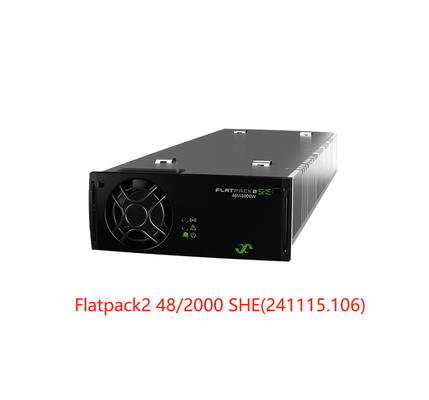
The engineering core of the Flatpack2 DCDC 380V/48V 3000W SHE module focuses on minimizing switching losses in power semiconductors.
· Data-Backed Performance: According to the official specifications (Page 2), the system achieves a peak efficiency of 98.2%.
· Optimized Thermal Management: High efficiency directly results in lower heat generation. This allows the modules to maintain exceptional operational stability across a wide temperature range of -20°C to +45°C, with superior power derating performance above 40°C compared to standard modules.
Selection Guide for European Telecom Environments
When selecting power systems for high-density European base stations, engineers must prioritize three key technical dimensions:
1. Galvanic Isolation and EMC Standards
The European market demands rigorous compliance with electrical safety and interference standards. This system is fully compliant with ETSI EN 300 386 v2.1.1 and IEC/EN 61000-6-1/2/3/4. Furthermore, it offers 4.2 kVDC isolation between input and output, which is vital for protecting sensitive communication hardware from high-voltage surges.
2. Response Consistency Under Dynamic Loads
5G traffic in Europe exhibits significant temporal fluctuations. The system supports ±5.0% dynamic voltage regulation, capable of stabilizing output within <50ms even when the load shifts between 10% and 90%. This rapid transient response ensures that output voltage remains locked at 54.5V during peak traffic spikes, preventing unplanned equipment downtime.
3. Digital Monitoring and Intelligent Maintenance
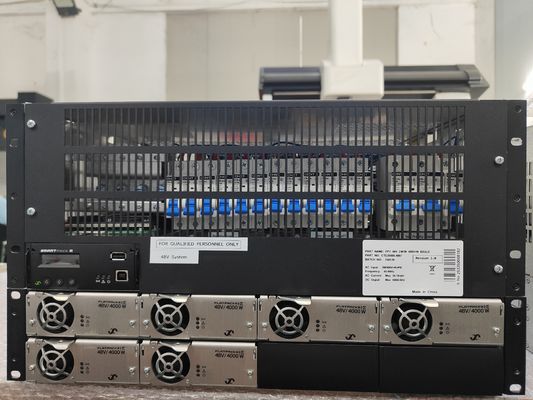
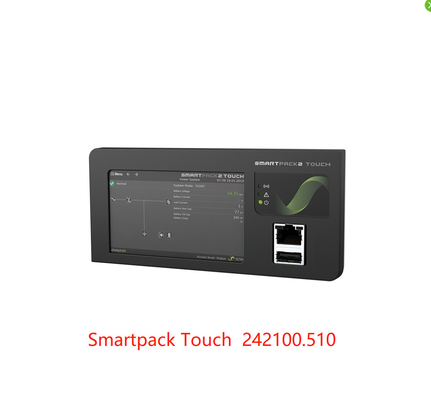
Integrated with the Smartpack2 controller, operations teams can perform remote asset management via SNMP or MODBUS protocols.
· Alarm Logic: Supports multiple alerts including high/low output voltage, earth faults, and temperature anomalies.
· Hot Pluggable Design: Allows for on-site module replacement or capacity expansion without interrupting live communication services, meeting the 99.999% availability requirements demanded by European Tier-1 operators.
Industry Conclusion
By combining 380V transmission technology with 98.2% efficient SHE modules, European telecom operators can effectively mitigate the dual challenges of cabling losses and conversion heat dissipation. Given the current energy price volatility, selecting a DC-DC system that balances high isolation, maximum efficiency, and precise regulation is the only viable path for sustainable infrastructure development.


 Your message must be between 20-3,000 characters!