The Challenge of "Communication Silos" in Industrial PV Storage
In the deployment of large-scale Photovoltaic (PV) Energy Storage Systems (ESS), the seamless interaction between the Rectifier Power System and the Battery Management System (BMS) is the cornerstone of operational stability. However, "Communication Mismatch" remains a primary cause of system downtime.
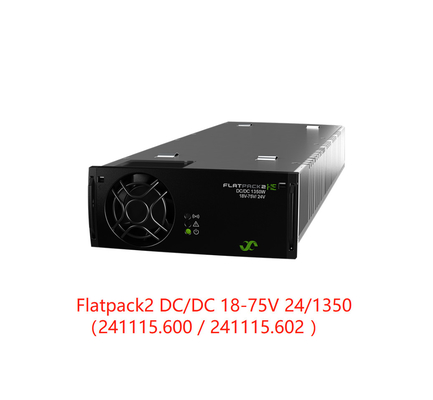
When a Flatpack Power System or similar high-density core is integrated with third-party lithium battery banks, discrepancies in CAN bus or RS485 protocol mapping often lead to "Communication Loss" alarms. For technical operators, this is not merely a data error; it prevents the monitoring system from regulating charging voltages, potentially leading to overcharging or premature battery degradation.
Identifying Core Technical Pain Points in Power Integration
Protocol issues in communication base stations and PV storage sites typically stem from three specific technical bottlenecks:
1. Protocol Definition Inconsistency
While many manufacturers claim to use "Standard CAN" or "Modbus RTU," the actual Object Dictionary or Address Mapping often varies. For instance, a power core may expect the Battery State of Charge (SOC) data at a specific HEX address, while the BMS transmits it elsewhere. This results in the "Monitoring Unable to Adjust Voltage" symptom.
2. Firmware and Version Conflicts
As battery technology evolves, newer BMS versions may utilize updated heartbeat signals or security handshakes that legacy power system controllers do not recognize. Without a compatible gateway, the power system defaults to "Safe Mode," which often limits output current and reduces overall system efficiency.
3. Electrical Interference in Data Links
In high-power environments like 110VDC or 220VAC systems, electromagnetic interference (EMI) can corrupt data packets. If the communication hardware lacks sufficient galvanic isolation, the resulting "Protocol Mismatch" is actually a physical layer failure disguised as a software error.
Technical Solutions: The Role of Multi-Protocol Gateways
To ensure Operational Reliability, modern B2B power solutions utilize intelligent conversion layers to bridge these gaps. These systems are validated through rigorous parameterized evidence:
· Dynamic Protocol Mapping: High-end systems feature a pre-loaded library supporting mainstream BMS protocols (e.g., Pylontech, BYD, Narada). This ensures that 110VDC systems can maintain a ±0.5% voltage regulation precision based on real-time BMS feedback.
· Adaptive Baud Rate Detection: Automatic synchronization between 125kbps, 250kbps, and 500kbps CAN networks eliminates manual configuration errors during field installation.
· Industrial-Grade Tolerance: Effective solutions must operate within a -40°C to +75°C temperature range, ensuring that the communication gateway does not become a single point of failure in harsh Middle Eastern or Arctic environments.
Selection Guide: Evaluating Compatibility for Global Markets
When sourcing power cores for North American or European markets, procurement teams should prioritize the following technical criteria to avoid future compatibility headaches:
1. Field-Programmable Gateways (FOTA): Ensure the system supports "Firmware Over-the-Air" updates. This allows technicians to upload new protocol maps remotely as battery versions change, without replacing hardware.
2. Redundant Data Paths: The system should support simultaneous CAN and RS485/Modbus communication to provide a backup link if the primary protocol fails.
3. V-Curve Autonomous Operation: In the event of total communication loss, the power system must be capable of reverting to a pre-defined voltage-temperature curve (V-Curve) to prevent thermal runaway.
Conclusion: Securing Energy Assets Through Connectivity
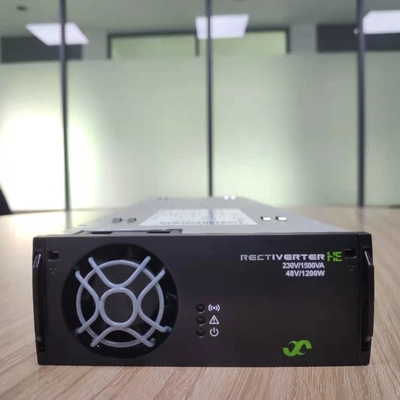
Resolving protocol mismatches is a prerequisite for long-term TCO (Total Cost of Ownership) reduction. By deploying systems like the Eltek Rectiverter Power Core with integrated multi-protocol support, operators can eliminate the risks associated with "Battery and Power Incompatibility." Digital connectivity, backed by standardized hardware parameters, ensures that your PV storage infrastructure remains resilient, regardless of the battery chemistry or version employed.


 Your message must be between 20-3,000 characters!