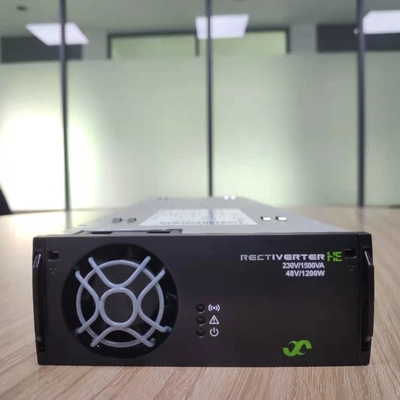
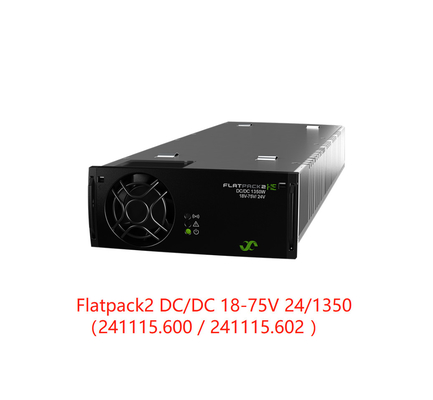
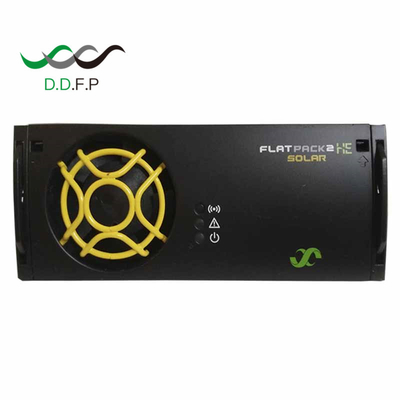
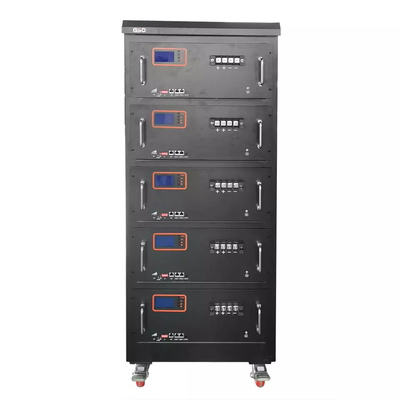
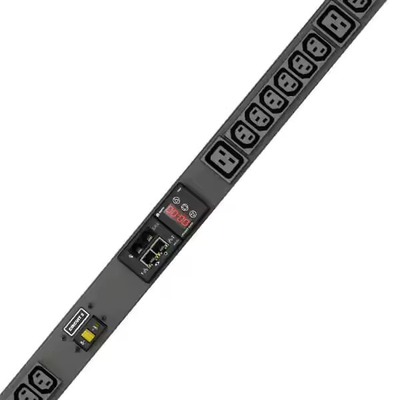
As South America accelerates its 5G rollout, telecommunications operators in Brazil, Chile, and Colombia are facing a significant technical hurdle: the "Last Meter" power bottleneck. Unlike 4G, 5G Massive MIMO technology demands significantly higher power density. In the standard -48Vdc architecture, this translates to massive increases in current, leading to severe line loss and voltage drops. To combat this, the industry is shifting toward high-capacity 3-phase telecom power systems equipped with advanced compensation technologies.
The Challenge: Why 5G Demands More from -48V Systems
A typical 5G base station can consume up to three times more power than its 4G predecessor. When delivering this power at -48Vdc over long cable runs—common in South American urban rooftop sites or remote rural towers—the electrical resistance of the cable becomes a critical enemy.
High-Current Line Loss results in two major issues:
1. Thermal Waste: Energy is dissipated as heat within the cables, reducing overall site efficiency.
2. Voltage Instability: If the voltage at the Remote Radio Unit (RRU) drops below a certain threshold (typically -40V to -42V), the equipment may reboot or suffer from reduced signal range, leading to "dropped calls" in high-traffic zones.
Technical Solutions for High-Current Distribution
To ensure a stable 5G experience, 3-phase power systems (380V/415V AC input) are now being deployed with specific features to mitigate these transmission bottlenecks.
1. Intelligent Voltage Boost and Compensation
Modern systems utilize Digital Control Logic to provide a "Boost" function. When the system detects a high-load scenario, it can slightly increase the output at the rectifier busbar (e.g., from -48V to -54V or -57V) to compensate for the anticipated voltage drop across long cables. This ensures that the active equipment always receives a precise, stable voltage within its optimal operating window.
2. Remote Sensing and Precision Monitoring
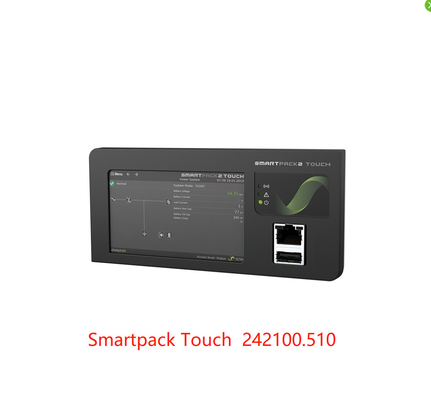
Advanced 3-phase power controllers now include remote sensing ports. By connecting thin sensing wires directly to the load terminal, the power system can "see" exactly what voltage the 5G antenna is receiving. The system then automatically adjusts the output of the rectifier modules in real-time, maintaining a constant voltage regardless of current fluctuations.
3. High-Density Modular Design
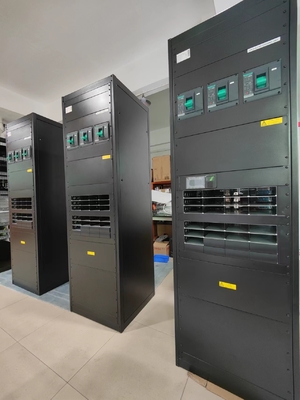
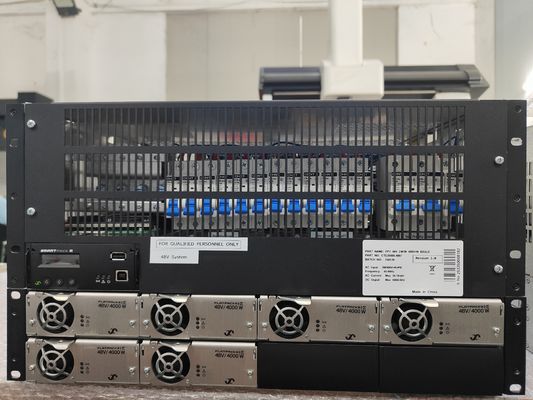
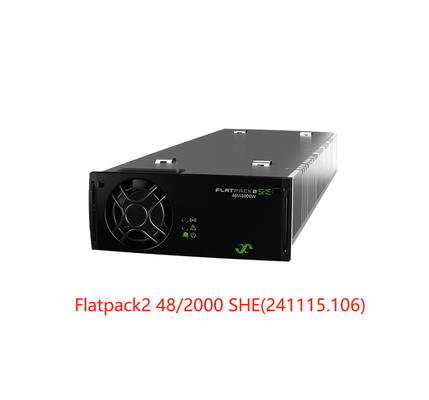
In dense urban areas like São Paulo or Bogotá, space is at a premium. High-density N+1 modular systems allow operators to house up to 300A or 600A of capacity within a compact 19-inch rack footprint. This modularity allows for "pay-as-you-grow" scaling—operators can start with two or three modules and add more as 5G traffic increases, without replacing the entire power infrastructure.
Selection Guide: Engineering for the South American Landscape
For procurement managers and site engineers, selecting the right power system involves more than just calculating total watts. The following technical parameters are vital for 5G success:
· Peak Efficiency (≥97%): In regions where electricity costs are rising, a 1% gain in efficiency can save thousands of dollars in OPEX per site annually.
· Surge Protection (20kA/40kA): Many parts of South America experience high lightning activity. Integrated Type II surge protection is essential to prevent damage to expensive 5G chipsets.
· Operating Temperature Tolerance: Systems must operate reliably up to +75°C to handle the heat of the Andean sun and the humidity of tropical coastal regions without "thermal derating."
Compliance and Future-Proofing
Adhering to international standards such as IEC 61000-3-2 for harmonic control ensures that the 3-phase AC input does not interfere with the local power grid, which is often a regulatory requirement for municipal 5G permits. Furthermore, systems that offer SNMP or RS485 communication allow for remote monitoring, reducing the need for costly manual site visits in geographically challenging terrains.
Summary: Stabilizing the 5G Backbone
The transition to 5G in South America is not just a wireless upgrade; it is a power infrastructure revolution. By addressing the bottlenecks of high-current -48V delivery through Intelligent 3-Phase Power Systems, operators can ensure that their network performance matches the high expectations of the 5G era.


 Your message must be between 20-3,000 characters!